





An antimalarial drug that acts on the erythrocyte forms of the pathogens of human malaria. It is effective against pathogens of malaria, resistant to other antimalarial drugs (chloroquine, proguanil, pyrimethamine, combination of pyrimethamine with sulfonamides).


Lariam
| Package | pill | Total price | Save | Order |
|---|---|---|---|---|
| 250mg × 30 Pills | $4.45 | $133.39 + Bonus - 4 Pills | - | Add to cart |
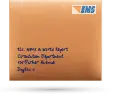
Your order will be packed safely and securely and dispatched within 24 hours. This is exactly how your parcel will look like (pictures of a real shipping item). It has the size and the look of a regular private letter (9.4x4.3x0.3 inches or 24x11x0.7cm), and it does not disclose its contents


Lariam Product Description
Drug Uses
Lariam is an antimalarial drug, used in treatment and prophylaxis of malaria. Lariam destroys erythrocyte forms of human malarial parasites like Plasmodium vivax, Plasmodium falciparum, Plasmodium malariae, and Plasmodium ovale.
Besides, Lariam is effective in cases when malarial parasites are resistant to other antimalarials (such as chloroquine, and pyrimethamine). Lariam is prescribed to children aged above 6 months, adults and elderly patients for:
- prevention of malaria
- treatment of acute malaria infections
A single Lariam dose of 1.250 mg per day is indicated for treatment of mild to moderate malaria in adults (5 250mg tablets of Lariam). To prevent malaria, the adult patients are advised to take one 250 mg tablet of Lariam once weekly. For treatment of malaria infections in pediatric patients, Lariam dose is calculated according to body weight. Usually, it is 20 to 25 mg per kg of body weight per day.
Missed Dose
If you’ve accidentally failed to comply with the malaria therapy course, and forgotten to take a dose of Lariam in time, just take the tablet as soon as possible. But if it is nearly time for the next dose of the antimalarial agent, do not take extra Lariam pill to make up for the missed dose.
More Information
For prophylaxis, application of Lariam should be started one week before travel to endemic malaria countries. To reduce the risk of malaria after leaving an endemic aria, the prophylaxis is recommended to be continued for 4 weeks more.
To achieve the therapeutic efficacy of Lariam antimalarial drug and to reduce the risk of side effects, the patients are recommended to take the prescribed dose of Lariam at the same time with a meal. If the patient’s state is not improved within 2-3 days, Lariam antimalarial drug should be replaced with another antimalarial drug.
Storage
Lariam should be stored in an original blister, because the tablets are sensitive to moisture. If you noticed that Lariam pills were wet, or had passed their shelf life, they should be discarded immediately. Store the tablets of Lariam out of reach of children at room temperature not exceeding 30°C.
Lariam Safety Information
Warnings
Lariam may increase the risk of convulsions, therefore, patients with epilepsy should use the antimalarial drug only for curative treatment. Lariam tablets should be taken with caution by the patients with cardiac conduction disorders, because Lariam may cause disturbances of heart rhythm and cardiac conduction. In some patients, Lariam may cause polyneuropathy. In case of the first symptoms of this disorder (sensitivity disorder, tremor, muscle weakness), the patients should stop taking the drug to prevent development of irreversible side effects.
Disclaimer
The information provided in this Lariam review is used for information purposes only, it does not serve as a replacement for personal advice or treatment of malaria infections from a licensed primary health care worker. The online pharmacy shall not be responsible for any consequences associated with misinterpreting this material on Lariam antimalarial agent.
Lariam Side Effects
Usually Lariam may cause mild adverse events which pass quickly. If the antimalarial agent is used for a long period, the adverse events disappear completely. In case of high doses of Lariam, some adverse events can be very similar to the symptoms of malaria. Most often while taking the antimalarial agent, the patients complain of such adverse events, as abnormal dreams, headache, insomnia, vomiting, abdominal pain, nausea, loss of appetite, diarrhoea, chills, skin rash, myalgia, tinnitusm and fever.
Celexa - antidepressant. Brings energy, stops feeling of alarm, reduces sensation of fear and tension, eliminates dysphoria, reduces persuasive feelings, practically does not cause sedation. The lasting clinical effect develops in 7-10 days of regular reception. The mechanism of action is connected with selective blockade of the return neuronal serotonin reuptake in synapses of neurons of CNS with a minimum effect concerning reuptake of noradrenaline and dopamine.

Cialis Super Active is a generic drug, against erectile dysfunction, containing 20 mg of tadalafil. The tablets in this series have a gel inside. This form allows the active substance, Tadalafil, to immediately enter the blood, thus providing an immediate effect. The result from the Cialis Super Active tablets appears after 5 minutes! The action lasts for two days. The drug is safe and has virtually no contraindications.

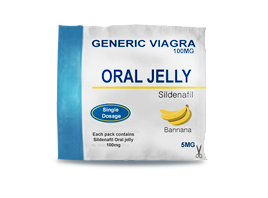
Viagra Oral Jelly - a new formula of the drug Viagra. Sildenafil - 100 mg. It is prescribed for men with a weak potentiality. Helps to recover libido and to improve sexual activity. Accelerates process of excitement of reproductive system. It makes erection brighter. Considerably increases duration of sexual intercourse. Besides, drug has various pleasant tastes, it is convenient to carry in a pocket or in a purse. Hurry to try it!
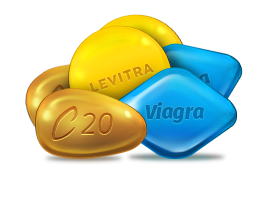
ED Trial Pack (2 Viagra + 2 Cialis + 2 Levitra) - a trial set consists of six tablets, for those who want to understand what medicine is better for him. Includes 6 tablets (by 2 pсs.): Viagra, Cialis and Levitra. It can be taken by people older than 18 years, in case of problems in private life related to fatigue, stress, sleep debt, slow-moving way of life and abuse of addictions.
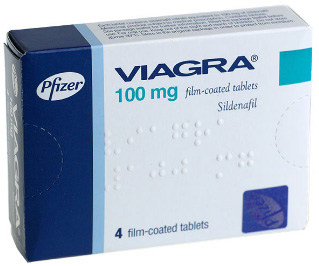
Brand Viagra - a drug from Pfizer, with a basic chemical called Sildenafil Citrate, is a first developed pharmaceutical to cure the difficulties with erection. It functions approximately within 4-5 hours, must be taken an hour prior to sex.


Sumycin - An antibiotic based on tetracycline, a brand of such pharmaceutical companies as Bristol-Myers Squibb, Apothecon, Par Pharmaceutical.
Epitol - mood stabilizing agent and antiepileptic medicine. It is effective for treatment of epilepsy (excepting petit mal), maniacal conditions, prevention of maniac-depressive frustration, alcoholic abstinence, neuralgia of trigeminal and glossopalatine nerves, diabetic neuropathy.

Dramamine is an antihistamine drug that reduces the effect of the natural chemical histamine in the body. Dramamine is used to treat or prevent the occurrence of nausea, vomiting, and dizziness associated with motion sickness.

Proscar - the drug is used to treat men’s baldness and benign prostatic hyperplasia. Inhibits the 5-alpha-reductase which converts testosterone into a more active 5-alpha-dihydrotestosterone, reduces its concentration in blood and prostate tissue.

Arava - a basic medicine with antirheumatic effect. Action is happened due to active metabolite of leflunomid. It has the inhibiting action on degidrorotate-dehydrogenase. Taking the medicine the progression of rheumatoid arthritis is slowed down, it is stopped the affection of arthral layers. Development of therapeutic effect is observed in a month. Increase of effect is noted within half a year.
An antimicrobial agent from the fluoroquinolone group. It has a broad spectrum of antibacterial action. The therapeutical indications include bacterial infection of the urinary tract (pyelonephritis, cystitis, urethritis), genitals (prostatitis, cervicitis, endometritis), gastrointestinal tract (salmonellosis, shigellosis), uncomplicated gonorrhea. Also used to prevent infections in patients with granulocytopenia, diarrhea of travelers.
The drug is used for treatment of infectious diseases such as community acquired pneumonia, exacerbation of chronic bronchitis, acute sinusitis, pharyngitis and skin infections. The active ingredient in Omnicef is cefdinir—a semi-synthetic cephalosporin broad-spectrum antibiotic of the third generation for oral administration. Like other cephalosporin antibiotics, cefdinir has a bactericidal action against susceptible organisms through the inhibition of synthesis of bacteria peptidoglycan cell walls by interfering with the final stage of transamination, required for cross-linking.