






Furosemide - «Loopback" diuretic; causes quickly coming, severe and short-term diuresis. Has natriuretic and chloro effects, increases clearance of K+, Ca2+, Mg2+. It is taken at edematous syndrome, cirrhosis, diseases of kidneys, heavy course of arterial hypertension and hypercalcemia.









Furosemide
| Package | pill | Total price | Save | Order |
|---|---|---|---|---|
| 40mg × 90 Pills | $0.29 | $26.15 + Bonus - 7 Pills | - | Add to cart |
| 40mg × 180 Pills | $0.26 | $47.06 + Bonus - 11 Pills | $5.40 | Add to cart |
| 40mg × 270 Pills | $0.25 | $67.98 + Bonus - 11 Pills | $10.80 | Add to cart |
| 40mg × 360 Pills | $0.25 | $88.89 + Bonus - 11 Pills | $14.40 | Add to cart |
Your order will be packed safely and securely and dispatched within 24 hours. This is exactly how your parcel will look like (pictures of a real shipping item). It has the size and the look of a regular private letter (9.4x4.3x0.3 inches or 24x11x0.7cm), and it does not disclose its contents



Product Description
A fast-acting diuretic (saluretic) is a diuretic that increases the excretion of sodium and chlorine. It inhibits the reabsorption of sodium ions in the ascending knee of the Henle loop, proximal and distal tubules. It increases the excretion of bicarbonates, phosphates, calcium and magnesium.
Safety information
Indications and usage
- Edema in case of circulatory failure, liver and kidney disease, obstruction of venous outflow, after burns and phlebothrombosis;
- Ascites (against a background of malignant neoplasm, hepatic and cardiac origin);
- Peripheral edema;
- Pulmonary edema, including threatening, post-traumatic cerebral edema and arterial hypertension;
- Toxemia of pregnancy, patellar eclampsia, premenstrual tension syndrome, preterm uremia, hyperkalemia and conduction of forced diuresis.
Mode of application
Intake; adult edema - 40 mg 1 time per day (80-120 mg/day), after an increase in urine output, reduce the dose to maintenance - 40 mg every other day.
Babies - a rate of 1-2 mg/kg/day.
Contraindications
Hypersensitivity, anuria, uremia, hepatic coma, mechanical obstruction of the urinary tract and diselectrolytility.
Side effects
Cardio-vascular system: decrease in blood pressure, orthostatic hypotension, collapse, tahikar diya, arrhythmias and decreased CBV.
From the central and peripheral nervous system: dizziness, headache, myasthenia, leg cramps, paresthesia, lethargy, weakness, weakness, lethargy, drowsiness, confusion.
From the senses: visual and hearing impairment.
From the digestive system: loss of appetite, dry mouth, thirst, nausea, vomiting, constipation or diarrhea, cholestatic jaundice and pancreatitis (aggravation).
With the genitourinary system: oliguria, acute urinary retention, interstitial nephritis, hematuria and reduced potency.
From the water-electrolyte metabolism: hypovolemia, dehydration and hypokalemia, hyponatremia, hyposalemia, hypocalcemia, hypomagnesemia and metabolic alkalosis.
From a metabolism: hypovolemia, hypokalemia, hyponatremia, hyposalemia, hypokalemic metabolic alkalosis, hyperuricemia and hyperglycemia.
Allergic reactions: purpura, urticaria, exfoliative dermatitis, erythema multiforme exudative, vasculitis, necrotizing vasculitis, pruritus, chills, fever, photosensitivity and anaphylactic shock.
An antidepressant used in cases of deep depression, panic disorders, social anxiety disorders, anxiety disorders. The mechanism of its action is based on the ability to selectively block the reuptake of serotonin by the presynaptic membrane of the neurons of the brain. Consequently, its serotonergic effect in the central nervous system that is responsible for the development of antidepressant effect, increases, which determines the effectiveness in the treatment of panic and social anxiety disorder.
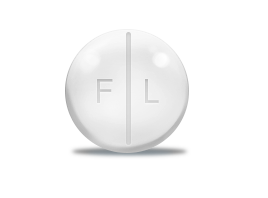
Viagra Soft Tabs - chewable tablets, containing 100 mg of a sildenafil. Difference of Viagra Software from usual Viagra is that its action begins much quicker. Viagra Software is chewed and easily dissolved under the tongue that allows to receive the result in 10-15 minutes.

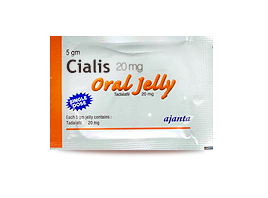
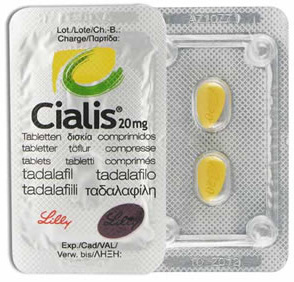
Brand Cialis improves erection and helps to achieve a successful sexual intercourse. It is the original medication, intended for use in adult men, who have problems with achieving and maintaining an erection. The pills start acting in 30 to 60 minutes. You can benefit from their effects for up to 36 hours. Therefore, you can take the pills on Saturday evening and enjoy a wonderful weekend, full of sex and pleasant emotions both for you and your partner. The active substance is Tadalafil.
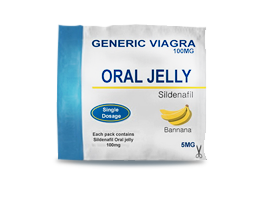
Viagra Oral Jelly - a new formula of the drug Viagra. Sildenafil - 100 mg. It is prescribed for men with a weak potentiality. Helps to recover libido and to improve sexual activity. Accelerates process of excitement of reproductive system. It makes erection brighter. Considerably increases duration of sexual intercourse. Besides, drug has various pleasant tastes, it is convenient to carry in a pocket or in a purse. Hurry to try it!
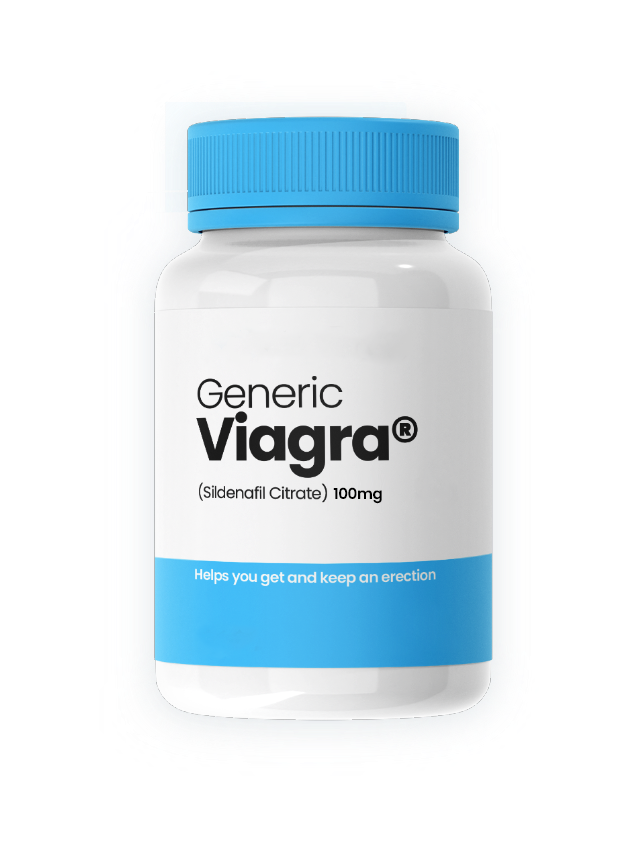
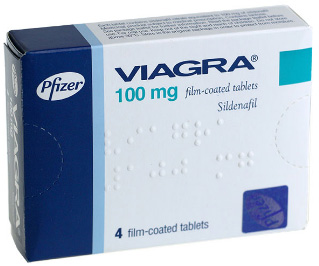
Brand Viagra - a drug from Pfizer, with a basic chemical called Sildenafil Citrate, is a first developed pharmaceutical to cure the difficulties with erection. It functions approximately within 4-5 hours, must be taken an hour prior to sex.


Adalat, which is nifedipine - belongs to hypotensive medicine with antianginalny activity. Blocking calcic channels, an active component of Adalat (nifedipine) causes decrease in intracellular concentration of ions of calcium in smooth muscle cell of intima of vessels and cardiocyte, causing vasodilatory action - in particular, on coronary vessels. As a result of decreases systolic blood pressure, falls TPR and decreases afterload on cardiac muscle. Except for normalization of a coronary blood flow, Adalat promotes pressure decrease in system of pulmonary artery, improves cerebral haemo dynamics. Long-term taking of medicine guarantees anti-atherogenous action, prevents thrombocyte aggregation.
Viagra Oral Jelly - a new formula of the drug Viagra. Sildenafil - 100 mg. It is prescribed for men with a weak potentiality. Helps to recover libido and to improve sexual activity. Accelerates process of excitement of reproductive system. It makes erection brighter. Considerably increases duration of sexual intercourse. Besides, drug has various pleasant tastes, it is convenient to carry in a pocket or in a purse. Hurry to try it!
Finax (finasteride) is a drug designed to treat hair loss in men. This drug can slow down the process of baldness and promote the growth of new hair on the scalp in men who suffer from androgenic alopecia. It acts by blocking the activity of the enzyme 5-alpha-reductase in the body which prevents the formation of dihydrotestosterone (a male sex hormone that is the active form of testosterone, formed from testosterone in bodily tissue). The drug is also used in the treatment of difficulty urinating caused by a prostate adenoma (BPH, benign prostatic hyperplasia).