





Albenza - anthelmintic agent which is active concerning adult individuals and larval forms. Albendazole influences polymerization of β-tubulin, which stops it. As a result, occurs violation of formation of microtubules in intestines of helminths, the ability of vermis to acquire glucose is suppressed. It is blocked the normal intracellular migration of organellas, and it is prevented the synthesis of ATP in their muscular tissue. Creation of therapeutic concentration of albendaloze leads to death of helminths. Medicine causes death of nematodes (Necator americanus, Strongyloides stercoralis, Enterobius vermicularis, Trichuris trichiura, Ascaris lumbricoides, Cutaneous Larva Migrans, Ancylostoma duodenale), cestode (pig, bull and dwarf tapeworm), trematode (Clonorchis sinensis, Opisthorchis viverrini), elementary (Lamblia).


Albenza
| Package | pill | Total price | Save | Order |
|---|---|---|---|---|
| 400mg × 30 Pills | $3.03 | $90.97 + Bonus - 4 Pills | - | Add to cart |
| 400mg × 60 Pills | $2.59 | $155.47 + Bonus - 4 Pills | $26.40 | Add to cart |
| Package | pill | Total price | Save | Order |
|---|---|---|---|---|
| 90mg × 90 Pills | $2.44 | $219.97 + Bonus - 7 Pills Free Trackable Delivery | - | Add to cart |
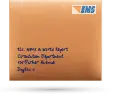
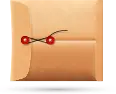
Your order will be packed safely and securely and dispatched within 24 hours. This is exactly how your parcel will look like (pictures of a real shipping item). It has the size and the look of a regular private letter (9.4x4.3x0.3 inches or 24x11x0.7cm), and it does not disclose its contents

Albenza product description
Drug uses
Albenza is an anthelmintic drug with a broad spectrum of antiprotozoal activity. Antiparasitic drug Albenza is prescribed to adults and pediatric patients (6 years and older) for the treatment of:
- cystic hydatid disease of the lung, peritoneum, and liver, caused by the larval form of the dog tapeworm
- parenchymal neurocysticercosis, caused by the larval forms of the pork tapeworm, including Taenia solium
Albenza exerts a powerful anthelmintic effect, breaks and inhibits the process of reproduction and development of the helminth larvae. The dose and duration of Albenza use should be set individually, depending on the patient’s body weight and the invasive infection type.
Albenza daily dose for adults, weighing 60 kg or above is 400mg. The dose of Albenza antiparasitic drug for patients, weighing less than 60kg, and for children of 6 years and older is 15 mg per 1 kg of body weight.
The maximum daily dose of Albenza for adults is 800mg. The total daily dose of Albenza is recommended to be divided into 2 equal portions and taken with main meals.
Missed dose
The helminth infestation therapy requires regular Albenza intake. The patient should follow the dosage regimen and avoid missing a dose intake.
If the patient forgot to take a medication in time, he or she should take the missed dose, as soon as remembers about it. However, the patient should skip the missed dose and take the next Albenza dose according to dosage regimen (without doubling), if less than 5 hours are left before the next dose intake.
More information
Going through the helminth invasion treatment requires thorough premises cleaning and adhering with the personal hygiene rules. Periodic thermal linen disinfection is also recommended, while going through treatment with anthelmintic drug Albenza.
Women of childbearing age should take a pregnancy test before they start using Albenza. Albenza exerts a teratogenic action, so sexually active women should use reliable contraception methods during the entire period of anthelmintic treatment.
Storage
Film-coated tablets (FCT) and chewable tablets Albenza should be stored in blister packs or original bottles at a temperature below 30°C. Shelf life of the chew and FCT tablets Albenza is 5 years in adherence to the recommended temperature regime.
Albenza safety information
Warnings
Using Albenza in conjunction with Dexamethasone, Praziquantel and Cimetidine can enhance the anthelmintic effect of Albenza. The patients with liver abnormalities are recommended to pass regular monitoring of hepatic function during the entire period of anthelmintic therapy. Symptoms, associated with an inflammatory reaction (increased intracranial pressure, seizures), may manifest in patient during the neurocysticercosis treatment. Steroids and anticonvulsants can be used to reduce these symptoms.
Disclaimer
Information about antiparasitic drug Albenza is provided for informational purposes only and should not be considered as a substitute for professional medical care. The online pharmacy assumes no responsibility for the consequences, which arose from the use of or inability to use the published information about Albenza.
Albenza side effects
Albenza rarely causes any adverse events. Less than 4% of the clinical trial participants stopped taking the antiparasitic drug due to adverse hepatic or hematologic disorders. Side effects do not appear, or are mild in most patients, using Albenza to eradicate intestinal worms.
During the infectious parasitic disease treatment, after intake of Albenza pills, the patient may feel: liver dysfunction symptoms, abdominal pain, dizziness, fever, headache, hyperpyrexia, allergic reactions (pruritus, rash, urticarial), leucopenia, meningeal signs, nausea, vomiting, raised intracranial pressure, hair loss (reversible).
Often, the type of Albenza side effects depends on the infectious disease type. For example, Albenza may cause dizziness in the treatment of hydatid disease, while in the treatment of neurocysticercosis this adverse effect occurs only in individual cases.
Promethazine reduces the permeability of capillaries, swelling of the mucous membranes, itching. Has adrenolytic, moderate peripheral and central cholinolytic action. Inhibits histamine-N-methyltransferase, blocks central histamine H3 receptors. Oppresses the central nervous system, has a sedative, anxiolytic, antipsychotic and hypnotic effect, lowers body temperature. Reduces the excitability of the vestibular receptors, eliminates dizziness. Has antiemetic effect.

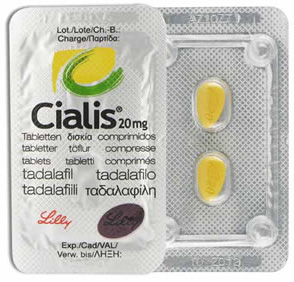
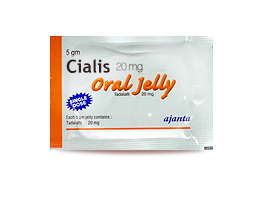
Cialis Super Active is a generic drug, against erectile dysfunction, containing 20 mg of tadalafil. The tablets in this series have a gel inside. This form allows the active substance, Tadalafil, to immediately enter the blood, thus providing an immediate effect. The result from the Cialis Super Active tablets appears after 5 minutes! The action lasts for two days. The drug is safe and has virtually no contraindications.

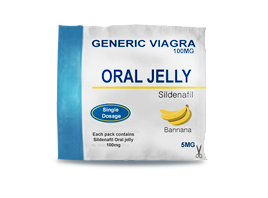
Viagra Oral Jelly - a new formula of the drug Viagra. Sildenafil - 100 mg. It is prescribed for men with a weak potentiality. Helps to recover libido and to improve sexual activity. Accelerates process of excitement of reproductive system. It makes erection brighter. Considerably increases duration of sexual intercourse. Besides, drug has various pleasant tastes, it is convenient to carry in a pocket or in a purse. Hurry to try it!
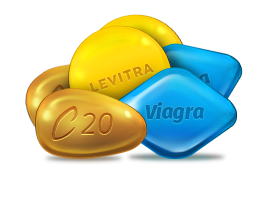
ED Trial Pack (2 Viagra + 2 Cialis + 2 Levitra) - a trial set consists of six tablets, for those who want to understand what medicine is better for him. Includes 6 tablets (by 2 pсs.): Viagra, Cialis and Levitra. It can be taken by people older than 18 years, in case of problems in private life related to fatigue, stress, sleep debt, slow-moving way of life and abuse of addictions.
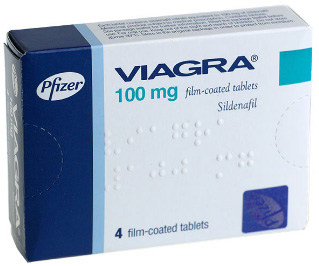
Brand Viagra - a drug from Pfizer, with a basic chemical called Sildenafil Citrate, is a first developed pharmaceutical to cure the difficulties with erection. It functions approximately within 4-5 hours, must be taken an hour prior to sex.


Teramycin acts depressingly on pathogens of many diseases, as well as biomycin. It is less toxic and longer preserves its action in the body. The medicine is used for the treatment of anthrax, teileriosis, cholera and pasteurellosis and other diseases.

Thorazine - the product of GlaxoSmithKline and Zuellig Pharma, based on the Chlorpromazine, the substance which belongs to a neuroleptic group of aliphatic derivatives of phenothiazine. It has a pronounced antipsychotic effect, eliminates psychomotor agitation, reduces fear, aggressiveness, psychomotor inhibition. In addition to neuroleptic and sedative, it has antiemetic, hypothermic, antihypertensive, antihistamine and antiserotonin effect. It blocks central adrenergic and dopaminergic interneural contacts. Potentsiruet action of analgesics, local anesthetics, hypnotics and anticonvulsants.

Gasex arranges the work of the intestine and reduces the time of digestion process. The drug acts as spasmolytic, antiulcerant, anti-inflammatory agent, cholagogue, hepatoprotective agent, membrane-modulating agent, an antimicrobial agent, and antioxidant. The drug also improves the digestibility of vitamins. It’s used for symptomatic control and relief of dyspepsia (upset stomach). The drug is used in case of flatulence, bloating, belching and for preliminary radiographic preparation of the intestine for radiography. The pills cope with discomfort in the abdomen in the postoperative period or during prolonged immobilization.

Colchicine is a means that affects the metabolism of uric acid, which contains the active substance: colchicine. Colchicine tablets are used for the treatment of acute gout attacks and prevention of acute attacks of gout in the initial treatment with allopurinol drugs or drugs that contribute to the excretion of uric acid. A single initial dose of the drug is 1 mg, then-0.5 mg every 2-3 hours until pain relief. This drug is contraindicated for people during pregnancy, breastfeeding, and children.
Baclofen is a central muscle relaxant. It is assigned if the patient is diagnosed with spasticity in multiple sclerosis, strokes, craniocerebral trauma, meningitis, spinal diseases (infectious, degenerative, tumor and traumatic genesis), with infantile cerebral palsy; alcoholism