





Being a part of the medicine Allegra - fexofenadine it is an antihistamine with a selective antagonistic activity to H1-receptors without anticholinergic and blocking alfa1-adrenergic receptors; also at fexofenadine isn't observed a sedative action and other effects from the central nervous system. The antihistaminic effect of Allegra is observed in 1 hour, reaching its maximum in 6 hours, and proceeds within 24 hours. After 28 days of taking the medicine there wasn't observed the accustoming to it.


Allegra
| Package | pill | Total price | Save | Order |
|---|---|---|---|---|
| 180mg × 60 Pills | $0.55 | $33.22 + Bonus - 4 Pills | - | Add to cart |
| 180mg × 90 Pills | $0.42 | $37.87 + Bonus - 7 Pills | $11.70 | Add to cart |
| 180mg × 120 Pills | $0.35 | $42.53 + Bonus - 7 Pills | $24.00 | Add to cart |
| 180mg × 180 Pills | $0.29 | $51.83 + Bonus - 11 Pills | $46.80 | Add to cart |
| 180mg × 270 Pills | $0.24 | $65.78 + Bonus - 11 Pills | $83.70 | Add to cart |
| 180mg × 360 Pills | $0.22 | $79.73 + Bonus - 11 Pills | $118.80 | Add to cart |
| Package | pill | Total price | Save | Order |
|---|---|---|---|---|
| 120mg × 90 Pills | $0.29 | $26.15 + Bonus - 7 Pills | - | Add to cart |
| 120mg × 180 Pills | $0.26 | $46.41 + Bonus - 11 Pills | $5.40 | Add to cart |
| 120mg × 270 Pills | $0.25 | $66.67 + Bonus - 11 Pills | $10.80 | Add to cart |
Your order will be packed safely and securely and dispatched within 24 hours. This is exactly how your parcel will look like (pictures of a real shipping item). It has the size and the look of a regular private letter (9.4x4.3x0.3 inches or 24x11x0.7cm), and it does not disclose its contents



Allegra product description
Drug uses
Allegra is a third-generation antihistamine drug, prescribed to adults and children aged 6 years and older to relieve symptoms, caused by:
- seasonal allergic rhinitis
- perennial allergic rhinitis
- chronic idiopathic urticaria
Allegra prevents and suppresses the effect of biologically active histamine that affects the receptors of respiratory system, skin and eyes, and causes allergy symptoms.
Allegra safely and effectively eliminates rhinorrhea, sneezing, red eyes, itchy nose, palate, throat; reduces pruritus, and the number of weals. A characteristic feature of Allegra is that this drug has no sedative effect, and does not affect the psychomotor activity.
The recommended dose of Allegra for children of 6 to 11 years (inclusive) is 30mg, twice a day. The recommended Allegra dose for adults and adolescents of 12 years of age and older is 60mg, twice a day (every 12 hours). Adult patients can sometimes be prescribed once-daily dose of Allegra 180 mg.
Missed dose
Clinical studies showed that one missed dose of Allegra had no clinically significant effect on the treatment of an allergic condition. However, the patients are advised to adhere to the dosing regimen and to take Allegra doses in a timely manner. Do not take the missed Allegra dose, if the next dose should be taken in a while (less than 5 hours).
More information
Based on the pharmacodynamic profile and the known side effects, it can be concluded that Allegra does not affect the ability to operate a vehicle and perform attention-requiring tasks.
During the researches, it was found that Allegra had no significant effect on the central nervous system function, however the individual drug response is recommended to be evaluated before proceeding with a vehicle operation.
Storage
Allegra drug should be protected from excessive moisture, so it should be stored in a dry place, at temperature no higher than 30°C. No other special storage conditions for Allegra are required.
Allegra safety information
Warnings
Elderly patients and hepatically or renally impaired patients do not require correction of the daily Allegra doses. The risk of side effects is higher in patients with renal insufficiency, than in patients with normal renal function. Before you start antiallergic therapy during pregnancy, you should carefully weigh the potential benefits and risks of Allegra to the fetus.
Allegra is not biotransformed in the liver, so it does not interact with other drugs that are metabolized by the liver. The patients are recommended to observe an interval of at least two hours between the intake of Allegra and drugs for stomach acidity neutralization.
Disclaimer
Published information about the antihistamine Allegra should not be considered as a substitute for the healthcare practitioner’s professional advice or recommendation. The online pharmacy makes no representations or warranties in relation to the completeness or accuracy of the information about anti-allergy medication Allegra.
Allegra side effects
Allegra causes serious adverse reactions very rarely. Less than 4% of the patients, taking part in clinical trials of Allegra, stopped the antiallergic therapy because of side effects.
Approximately 3% of patients, using Allegra for the treatment of seasonal allergies, can have headache. Other side effects occur in less than 2% of patients. It should be noted that Allegra may cause different adverse reactions in different age groups.
- For example, after the use of Allegra, adults may feel drowsiness, earache, thirst, dizziness, dyspepsia, diarrhea, nausea, fatigue.
- In children, Allegra may promote an increased risk of upper respiratory tract infection, as well as fever and coughing.
The severity and frequency of side effects depend on the Allegra dose used. Side effects manifest more often, when Allegra is used to control symptoms of chronic allergies, than in the symptomatic treatment of seasonal allergies.
A peripheral vasodilator, blocks postsynaptic alpha1-adrenergic receptors and prevents the vasoconstrictive influence of catecholamines. It reduces pressure in the pulmonary veins and the right atrium significantly, it also reduces pulmonary vascular resistance moderately. The drug therapeutic indications include: arterial hypertension; CHF (in combination therapy), Raynaud's syndrome and disease, pheochromocytoma, peripheral vascular spasm on the background of poisoning with ergot alkaloids. Prostatic hyperplasia

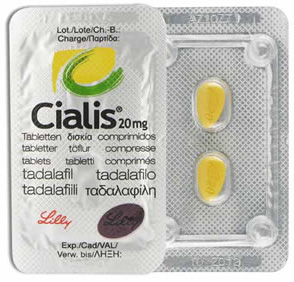
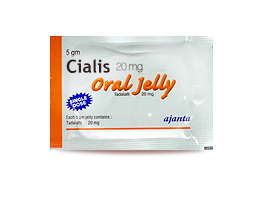
Cialis Super Active is a generic drug, against erectile dysfunction, containing 20 mg of tadalafil. The tablets in this series have a gel inside. This form allows the active substance, Tadalafil, to immediately enter the blood, thus providing an immediate effect. The result from the Cialis Super Active tablets appears after 5 minutes! The action lasts for two days. The drug is safe and has virtually no contraindications.
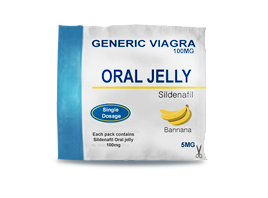
Viagra Oral Jelly - a new formula of the drug Viagra. Sildenafil - 100 mg. It is prescribed for men with a weak potentiality. Helps to recover libido and to improve sexual activity. Accelerates process of excitement of reproductive system. It makes erection brighter. Considerably increases duration of sexual intercourse. Besides, drug has various pleasant tastes, it is convenient to carry in a pocket or in a purse. Hurry to try it!
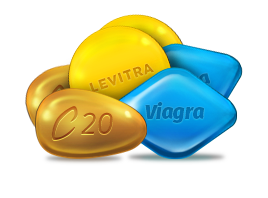
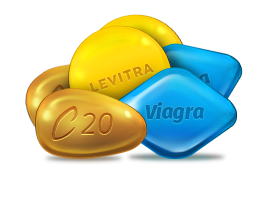
ED Trial Pack (2 Viagra + 2 Cialis + 2 Levitra) - a trial set consists of six tablets, for those who want to understand what medicine is better for him. Includes 6 tablets (by 2 pсs.): Viagra, Cialis and Levitra. It can be taken by people older than 18 years, in case of problems in private life related to fatigue, stress, sleep debt, slow-moving way of life and abuse of addictions.
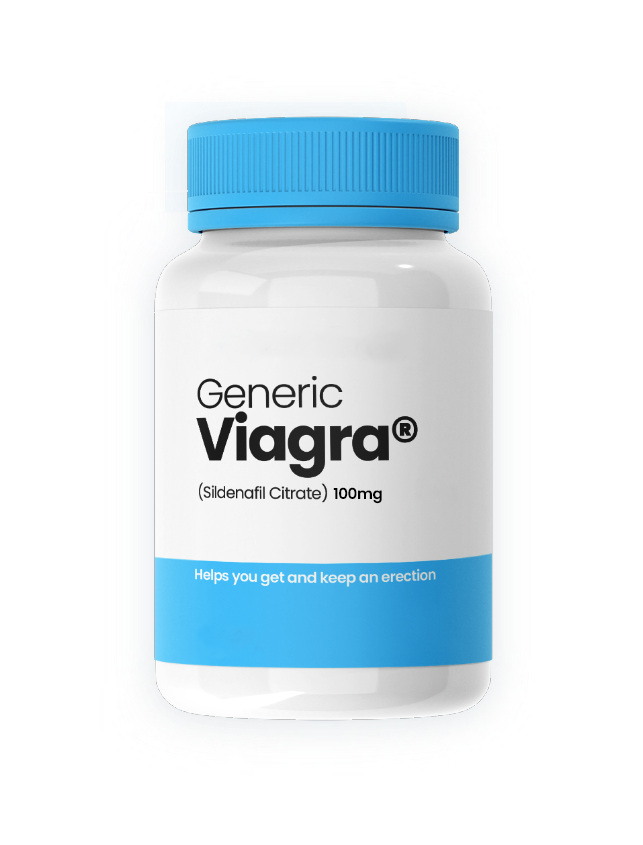
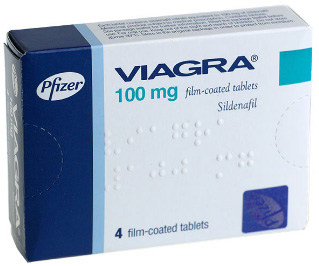
Brand Viagra - a drug from Pfizer, with a basic chemical called Sildenafil Citrate, is a first developed pharmaceutical to cure the difficulties with erection. It functions approximately within 4-5 hours, must be taken an hour prior to sex.


Clozaril - atypical antipsychotic medicine. Blocks dopamine receptors of CNS and interferes dopamine transfer in basal gangliya and in limbic part of neoncephalon. It is taken at Hypersensitivity, diseases of hemopoietic system (including in anamnesis), alcoholic and toxic psychosis, myasthenia, comas.

Cymbalta drug possesses a central mechanism of suppression of a pain syndrome that first of all can be noticed at increase in a threshold of painful sensitivity at pain syndrome of neuropathic etiology.

Glucotrol peroral hypoglycemic medicine. It is taken at a diabetes mellitus of type 2 (at inefficiency of dietotherapy). It has pancreatic and extra pancreatic effects. Stimulates secretion of insulin by reductions of the threshold of irritation with glucose of beta cells of pancreas, increases sensitivity to insulin and extent of its linkng with target cells, increases insulin release, strengthens influence of insulin on glucose absorption by muscles and liver, brakes lipolysis in fatty tissue.

Fulvicin - the antifungal antibiotic, which is taken at mycosis of skin, hair and nails (favus, trichophytosis, microsporia of a pilar part of the head, microsporia of smooth skin, dermatomycosis of beard and moustaches, epidermophitia of smooth skin, inguinal epidermophitia, onychomycoses). It is effective concerning fungus of the sort Trichophyton, Microsporum, Epydermophyton, Achorionum; causes disturbance of the structure of a mitotic spindle and synthesis of a cell wall at chitin fungus, suppresses division of fungal cells in metaphase and synthesis of protein because of disruption of linking with template-RNA.

Cephalexin - antibacterial agents for systemic use. Cephalosporins of the first generation. Used in the treatment of infections caused by microorganisms susceptible to cefalexin: ENT organs and respiratory tract, genitourinary system, skin and soft tissues, bone tissue and joints.

Tricor - is a hypolipidemic agent, has an uricosuric and antiplatelet effect. In combination with diet therapy, the drug is prescribed for a long-term treatment, the effectiveness of which must be periodically checked by determining serum lipid levels.

A lipid-lowering agent. Reversibly inhibits HMG-COA reductase, inhibits the cholesterol synthesis at the stage of mevinolinic acid and moderately reduces its intracellular concentration. The indications for the drug use include: primary hypercholesterolemia mainly of IIa and IIb types, under the ineffective diet treatment in patients with increased risk of coronary atherosclerosis, hypercholesterolemia combined with hypertriglyceridemia; prevention of coronary artery disease. The drug decreases the risk of myocardial infarction, the need for revascularization of the myocardium, deaths from cardiovascular system diseases.

Gastroprotective agent, a synthetic analog of PgE1 boosts the formation of defensive slime and bicarbonate; enhances blood flow in the mucosa. It stimulates the healing of erosions, gastric and duodenal ulcers and is able to prevent their formation in some cases. It has a direct impact on the parietal cells of the abdomen, inhibits the lowest, and stimulated (by meal,pentagastrin, histamine) excretion of HCl. he drug diminishes the basal production of pepsin. The expected result occurs after 30 minutes and lasts at least 3-6 hours.

The drug has a thymoleptic and anxiolytic effect. Prescribed for the treatment of depressions of various origins, enuresis including the night one.

The anti-malarial drug from the group of 8-aminohinolina derivatives. It is characterized by intercalation with DNA plasmodia, leading to disruption of nucleic acids synthesis. It demonstrates high activity against exo-erythrocytic forms of all types of malaria, including primary tissue and para- erythrocyte forms. Particularly active against primary tissue forms of Plasmodium falciparum.

Cardizem, derivative benzothiazepine, has anti-anginal, antiarrhytmic and hypotensive effect. It is prescribed at arterial hypertension: after myocardial infarction, at patients with accompanying stenocardia when beta adrenoblockers, are contraindicative at patients with diabetic nephropathy, in cases when ACE inhibitors are contraindicated; angina of effort, Prinzmetal's angina; prevention of a coronary spasm when carrying out a coronary angiography or operation of aortocoronary shunting.

Trileptal is used to treat simple and complex forms of partial epileptic seizures that have secondary generalization (possibly without it) beginning at the age of one month; generalized tonic-clonic forms of epileptic seizures in patients from two years of age. Reviews about Trileptal have a positive connotation, which allows to determine its effectiveness in use, thanks to patients who have experience of taking the drug.
Prednisolone is a synthetic analogue of the adrenal cortex secreted by the hormones cortisone and hydrocortisone. Unlike cortisone and hydrocortisone, prednisolone does not cause a noticeable delay in sodium and water, and only slightly increases the release of potassium. The drug has a pronounced anti-inflammatory, antiallergic, anti exudative, anti-shock, antitoxic effect.