






Sumycin - An antibiotic based on tetracycline, a brand of such pharmaceutical companies as Bristol-Myers Squibb, Apothecon, Par Pharmaceutical.


Sumycin
| Package | pill | Total price | Save | Order |
|---|---|---|---|---|
| 500mg × 60 Pills | $0.41 | $24.78 + Bonus - 4 Pills | - | Add to cart |
| 500mg × 90 Pills | $0.35 | $31.22 + Bonus - 7 Pills | $5.40 | Add to cart |
| 500mg × 120 Pills | $0.31 | $37.67 + Bonus - 7 Pills | $12.00 | Add to cart |
| 500mg × 180 Pills | $0.28 | $50.55 + Bonus - 11 Pills | $23.40 | Add to cart |
| 500mg × 270 Pills | $0.26 | $69.88 + Bonus - 11 Pills | $40.50 | Add to cart |
| 500mg × 360 Pills | $0.25 | $89.21 + Bonus - 11 Pills | $57.60 | Add to cart |
| Package | pill | Total price | Save | Order |
|---|---|---|---|---|
| 250mg × 90 Pills | $0.27 | $24.13 + Bonus - 7 Pills | - | Add to cart |
| 250mg × 180 Pills | $0.22 | $40.22 + Bonus - 11 Pills | $9.00 | Add to cart |
| 250mg × 360 Pills | $0.20 | $72.39 + Bonus - 11 Pills | $25.20 | Add to cart |
Your order will be packed safely and securely and dispatched within 24 hours. This is exactly how your parcel will look like (pictures of a real shipping item). It has the size and the look of a regular private letter (9.4x4.3x0.3 inches or 24x11x0.7cm), and it does not disclose its contents


Sumycin Product Description
Drug Uses
Sumycin is a bacteriostatic antibiotic that belongs to the tetracycline group. Sumycin helps keep bacteria in the stationary phase of life cycle, thus preventing their reproduction and destroying the pathogens.
Sumycin tablets are used for management of infections of various etiology and severity, including infections of the respiratory system, soft tissues, urinary tract, eyes, and other organs, tissues, and systems of the body.
Sumycin is effective in treatment of rare and common bacterial infections, including but not limited to: frambesia tropica, anthrax, acute bronchitis, severe form of amebiasis, cholera, clostridial myonecrosis, bubonic plague, field fever, pinkeye, syphilis, pneumonia, and tetanus.
The dosage of antimicrobial agent Sumycin depends on the type and severity of bacterial diseases. The minimum daily dose of Sumycin for adults is 1000 mg divided into four doses. An alternative dosage schedule provides for a single intake of 500 mg Sumycin dose, followed by 250mg every 6 hours. For treatment of severe infections, the daily dosage can be increased to 2500mg of Sumycin divided into five doses.
Missed dose
If you have not taken an assigned dosage of Sumycin, take it as soon as you remember. However, if it is time for the next dose of the bacteriostatic antibiotic, do not take Sumycin, and do not try to make up for the missed dose with any extra antibiotics.
More Information
Duration of Sumycin-treatment may last from a few to 90 days. In order to prevent infection recurrence, Sumycin tablets should be taken at least for 3 days after the infectious disease symptoms disappear.
Storage
Bacteriostatic antibiotic Sumycin should be stored at controlled room temperature within 25°C.
Sumycin Safety Information
Warnings
Sumycin may interact with calcium in the osseous tissues. Long-term application or excessive intake of Sumycin may cause thinning, discoloration and other defects in tooth enamel. If the teeth are being formed at any stage, the bacteriostatic antibiotic should be taken with caution.
Disclaimer
Information about infections treatment, contained in the review of Sumycin, is intended for educational purposes only. This information is not meant for using in replacement of medical advice from infectionists or other healthcare specialist. The online pharmacy expressly disclaims any liability for any special or consequential damages, which may be arisen as a result of improper use of the information on the bacteriostatic antibiotic, stipulated in this review of Sumycin.
Sumycin Side Effects
Sumycin, like any other antibiotic is generally well tolerated. Most often, the following undesirable effects are reported to appear during application of bacteriostatic antibiotic Sumycin: nausea, anorexia, vomiting, diarrhea, rash, urticaria, joint pain, discoloration of teeth or glossitis. In rare cases, such undesirable effects can be observed as difficulty swallowing, icterus, nephritis, acute renal failure, hemolytic anemia, thrombocytopenia, neutropaenia, or allergic reactions.
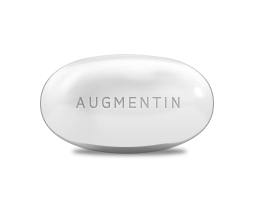
Augmentin - the Antibiotic of a broad spectrum of activity. It has bacterolytic (destroying bacteria) effect. It is active concerning a wide range of aerobic and anaerobic gram-positive and aerobic gramnegative microorganisms, including strains producing betalactamase. It is prescribed at diagnosing of bacterial infections caused by microorganisms, sensitive to drug: infections of upper respiratory tracts, bacterial infections of skin and soft tissues, infections of urogenital tract, sepsis, infection pelvic organs.
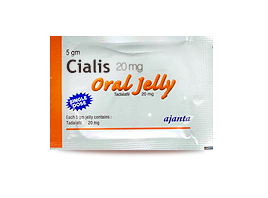
Cialis Oral Jelly (Orange) - a new formula of Cialis which you can have, without washing down with water. Against background of ordinary drug it differs in increased influence speed. It is prescribed for improvement of sexual endurance of men during intimate proximity. It simplifies the excitative process of penis and strengthens erection. Noticeably increases duration of sexual intercourse. Besides, the drug possesses a pleasant orange flavor.
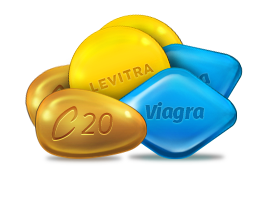
Super ED Trial Pack (6 Viagra + 6 Cialis + 6 Levitra) - a set sampler of Super ED Trial Pack generics which was created at numerous requests of customers. The set comprises 6 tablets (of big popularity) for solution of men's intimate problems. The set consist of: Viagra 100 mg, Cialis (20 mg) and Levitra (20 mg) that is production of well known Indian companies. All medicine of the Super ED Trial Pack set contain optimum doses of active agent and therefore you can take it for several times. Besides, it is quite possible to save money, having divided each tablet into parts.
Viagra Super Active - an innovative formula of drug for treatment of erectile dysfunction. Drug is produced in gelatin capsules that allows to avoid emergence of heartburn or other unpleasant feelings in a stomach. Sildenafil Super Active also has a number of advantages. It is soaked quicker and works longer. The principle of action is identical with ordinary Sildenafil. Each capsule contains about 100 mg of active ingredient. That is quite enough for any man.
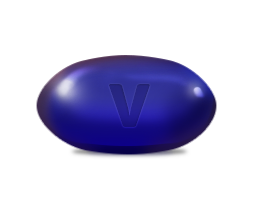
Brand Levitra – a drug from Bayer, with a basic chemical called Vardenafil, is an improved remedy for treating erectile difficulties. Operates approximately within 6-8 hours, so a man may be ready to perform sexually the whole night.



The component of Duphalac is Lactulose. It is used as a means to decrease the content of hydrogen nitride in the blood. It is a disaccharide that is not captivated in the digestive tract. Under the action of microorganisms of the colon, the component is cleaved to form organic acids, together with acetic and lactic acids. The effect of acids on the mucous membrane of the colon increases motility. The number of proteolytic bacteria is reduced with the growth in the number of acidophilic Increasing the acidity of the environment slows down the absorption of NH3 from the intestine. It was found that Duphalac facilitates the circulation of ammonia from the vessels into the cavity of the colon.

Anti-migraine drug. Specific and selective agonist of 5-HT1-serotonin receptors, localized predominantly in the blood vessels of the brain and it does not affect other subtypes of 5-HT-serotonin receptors (5-HT2-7). Causes narrowing of the vessels of the carotid arterial bed, that supply extracranial and intracranial tissues with blood (vasodilation of the meninges and / or their edema is the main mechanism of migraine development in humans) without significantly affecting cerebral blood flow.
The drug is used for treatment of infectious diseases such as community acquired pneumonia, exacerbation of chronic bronchitis, acute sinusitis, pharyngitis and skin infections. The active ingredient in Omnicef is cefdinir—a semi-synthetic cephalosporin broad-spectrum antibiotic of the third generation for oral administration. Like other cephalosporin antibiotics, cefdinir has a bactericidal action against susceptible organisms through the inhibition of synthesis of bacteria peptidoglycan cell walls by interfering with the final stage of transamination, required for cross-linking.

