






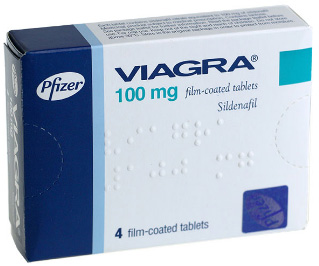
Glucophage - guanyl guanidine, hypoglycemic medicine for peroral takein. At patients with a diabetes mellitus reduces concentration of glucose in blood by oppression of gluconeogenesis in a liver, reduction of absorption of glucose from GIT and increase of its utilization in tissues. Stabilizes or reduces a body weight.


Glucophage
| Package | pill | Total price | Save | Order |
|---|---|---|---|---|
| 1000mg × 30 Pills | $0.76 | $22.81 + Bonus - 4 Pills | - | Add to cart |
| 1000mg × 60 Pills | $0.59 | $35.26 + Bonus - 4 Pills | $10.20 | Add to cart |
| 1000mg × 120 Pills | $0.50 | $60.15 + Bonus - 7 Pills | $31.20 | Add to cart |
| 1000mg × 240 Pills | $0.46 | $109.93 + Bonus - 11 Pills | $72.00 | Add to cart |
| 1000mg × 300 Pills | $0.45 | $134.81 + Bonus - 11 Pills | $93.00 | Add to cart |
| Package | pill | Total price | Save | Order |
|---|---|---|---|---|
| 850mg × 90 Pills | $0.29 | $26.38 + Bonus - 7 Pills | - | Add to cart |
| 850mg × 180 Pills | $0.20 | $35.18 + Bonus - 11 Pills | $16.20 | Add to cart |
| 850mg × 270 Pills | $0.16 | $43.97 + Bonus - 11 Pills | $35.10 | Add to cart |
| 850mg × 360 Pills | $0.15 | $52.77 + Bonus - 11 Pills | $50.40 | Add to cart |
| Package | pill | Total price | Save | Order |
|---|---|---|---|---|
| 500mg × 90 Pills | $0.24 | $21.55 + Bonus - 7 Pills | - | Add to cart |
| 500mg × 120 Pills | $0.20 | $24.04 + Bonus - 7 Pills | $4.80 | Add to cart |
| 500mg × 180 Pills | $0.16 | $29.02 + Bonus - 11 Pills | $14.40 | Add to cart |
| 500mg × 240 Pills | $0.14 | $33.99 + Bonus - 11 Pills | $24.00 | Add to cart |
| 500mg × 360 Pills | $0.12 | $43.95 + Bonus - 11 Pills | $43.20 | Add to cart |
Your order will be packed safely and securely and dispatched within 24 hours. This is exactly how your parcel will look like (pictures of a real shipping item). It has the size and the look of a regular private letter (9.4x4.3x0.3 inches or 24x11x0.7cm), and it does not disclose its contents


Glucophage Product Description
Drug Uses
Glucophage is a hypoglycemic drug for oral use, belonging to the group of biguanides. Glucophage is used in the management of type 2 diabetes in pediatric overweight patients aged 10 years and older, and in overweight or obese adults.
Glucophage is prescribed to diabetic patients as an adjunct, when diet and physical activity are unable to regulate blood glucose level. This antihyperglycemic drug reduces glucose production by the liver and its intestinal absorption.
Clinical studies have shown that maintenance of normal blood glucose levels reduces the risk of diabetic complications (such as vision loss or eye disease, cardiovascular diseases). The recommended starting dose of Glucophage for adults is 850 to 1000 mg per day. The maximum daily dose should not exceed 2000mg of the antihyperglycemic drug.
Due to the reduction of renal activity in elderly patients and high risk of lactic acidosis, use of Glucophage should start with small doses of this antihyperglycemic drug, and titration should be made with caution. The initial daily dose of Glucophage for children is 500 mg in the morning and in the evening, with a maximum dose of 2000 mg.
Missed Dose
If you remember that you have missed a dose of Glucophage, take it with food as soon as you can, except when the time is approaching for taking the next dose of the oral antihyperglycemic agent. Then you should just skip one Glucophage dose, without doubling the following.
More Information
Glucophage hypoglycemic drug may be administered in combination with insulin or with other oral antidiabetic agents for the treatment of diabetes in obese adults. Glucophage is recommended as monotherapy or in combination with insulin for the treatment of obese children and adolescents. The patient is recommended to stop taking the antihyperglycemic drug Glucophage in the first symptoms of lactic acidosis (upset stomach, low blood pressure, slow heartbeat).
Storage
To protect the tablets from moisture and light, it is recommended to store Glucophage in an original light-resistant container. The optimum storage temperature for Glucophage tablets ranges from 20°C to 25°C.
Glucophage Safety Information
Warnings
It is recommended to stop taking Glucophage, if an intercurrent disease (congestive heart failure, hepatic dysfunction, or myocardial infarction) is observed in patient during the antihyperglycemic therapy. Prolonged use and high doses of the antihyperglycemic drug Glucophage may cause a violation of vitamin B12 absorption and lead to diseases, caused by lack of this vitamin in the body. To avoid them, measurement of hematologic parameters and prevention of subnormal vitamin B12 levels are recommended during the treatment.
Disclaimer
All information on hyperglycemia, provided in the review on Glucophage, is for information purposes only and can not be viewed as a substitute for professional advice of a health care specialist. We disclaim all liability for loss, claims and damages, resulting from improper use of materials on oral antihyperglycemic agent Glucophage.
Glucophage Side Effects
During the research test, conducted in the United States, the adverse reactions, registered in treatment with Glucophage, have been reported by more than 5% of patients. In the treatment with Glucophage, children of 10 years and above have the same adverse effects, as adults.
The most common adverse reactions manifest in the beginning of therapy with Glucophage. These include gastrointestinal disorders, like vomiting, diarrhea, loss of appetite and nausea. Some frequent adverse reactions, seen in the treatment with Glucophage, manifest after the drug use is discontinued. Such adverse reactions include abdominal pain, dyspepsia, abdominal distention, flatulence.
Glucophage may also cause other, less frequent, adverse reactions, like dyspnea, chills, hypoglycemia, taste disorder, flushing, myalgia, nail disorder, chest discomfort, palpitation, abnormal stools, rash, and taste disturbance.
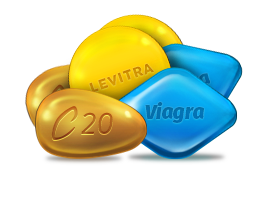
ED Trial Pack (2 Viagra + 2 Cialis + 2 Levitra) - a trial set consists of six tablets, for those who want to understand what medicine is better for him. Includes 6 tablets (by 2 pсs.): Viagra, Cialis and Levitra. It can be taken by people older than 18 years, in case of problems in private life related to fatigue, stress, sleep debt, slow-moving way of life and abuse of addictions.
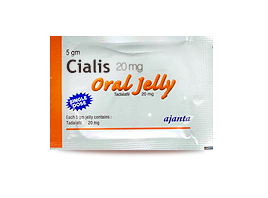
Cialis Oral Jelly (Orange) - a new formula of Cialis which you can have, without washing down with water. Against background of ordinary drug it differs in increased influence speed. It is prescribed for improvement of sexual endurance of men during intimate proximity. It simplifies the excitative process of penis and strengthens erection. Noticeably increases duration of sexual intercourse. Besides, the drug possesses a pleasant orange flavor.
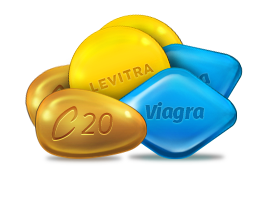
Super ED Trial Pack (6 Viagra + 6 Cialis + 6 Levitra) - a set sampler of Super ED Trial Pack generics which was created at numerous requests of customers. The set comprises 6 tablets (of big popularity) for solution of men's intimate problems. The set consist of: Viagra 100 mg, Cialis (20 mg) and Levitra (20 mg) that is production of well known Indian companies. All medicine of the Super ED Trial Pack set contain optimum doses of active agent and therefore you can take it for several times. Besides, it is quite possible to save money, having divided each tablet into parts.
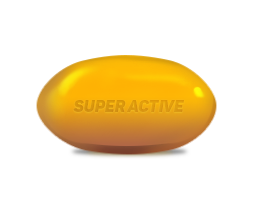
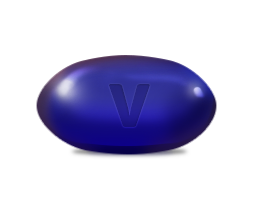
Viagra Super Active - an innovative formula of drug for treatment of erectile dysfunction. Drug is produced in gelatin capsules that allows to avoid emergence of heartburn or other unpleasant feelings in a stomach. Sildenafil Super Active also has a number of advantages. It is soaked quicker and works longer. The principle of action is identical with ordinary Sildenafil. Each capsule contains about 100 mg of active ingredient. That is quite enough for any man.
Brand Levitra – a drug from Bayer, with a basic chemical called Vardenafil, is an improved remedy for treating erectile difficulties. Operates approximately within 6-8 hours, so a man may be ready to perform sexually the whole night.



Antiepileptic agent. The use of Lamictal reduces the pathological activity of neurons without inhibiting their function. Stabilizes the neuronal membranes by affecting Na + channels, blocks excessive release of excitatory amino acids (mainly glutamate), without reducing its normal release.

Anticholinesterase agent; having a cholinesterase effect through a reversible acetylcholinesterase inhibition and enhancing the action of acetylcholine. Improves neuromuscular transmission, increases the motility of the gastrointestinal tract, increases the tone of urinary bladder, bronchi, the secretion of exocrine glands. Prescribed for myasthenia gravis, postoperative intestinal atony, atonic constipation, bladder atony, post-traumatic movement disorders; flaccid paralysis; residual explication of polio, encephalitis, violation of emptying the bladder after gynecological surgery and childbirth.

Xeloda is a cytostatic drug. The drug is used for the treatment of patients with metastatic or locally advanced breast cancer, including after an ineffective chemotherapy course, which included anthracycline drugs and taxanes, and also if the patient has contraindications to anthracyclines.

