







Biaxin - antibacterial agent of group of macroleads, semi-synthetic derivative of erythromycin. Biaxin is prescribed for treatment of infectious processes caused by flora, sensitive to it: sinusitis, pharyngitis, tonsillitis; folliculitis, streptoderma, erysipelatous inflammation, staphyloderma; bronchitis, community-acquired or hospital-acquired pneumonia; infections of dentoalveolar system; local or widespread mycobacterial infections caused by Mycobacterium intracellulare or Mycobacterium avium; in a complex of medicine oppressing acidity of a gastric acid for eradication of Helicobacter infection.


Biaxin
| Package | pill | Total price | Save | Order |
|---|---|---|---|---|
| 500mg × 30 Pills | $3.69 | $110.82 + Bonus - 4 Pills | - | Add to cart |
| 500mg × 60 Pills | $2.96 | $177.31 + Bonus - 4 Pills | $43.80 | Add to cart |
| 500mg × 90 Pills | $2.71 | $243.80 + Bonus - 7 Pills Free Trackable Delivery | $88.20 | Add to cart |
| 500mg × 120 Pills | $2.59 | $310.29 + Bonus - 7 Pills Free Trackable Delivery | $132.00 | Add to cart |
| Package | pill | Total price | Save | Order |
|---|---|---|---|---|
| 250mg × 30 Pills | $2.55 | $76.61 + Bonus - 4 Pills | - | Add to cart |
| 250mg × 60 Pills | $2.09 | $125.64 + Bonus - 4 Pills | $27.60 | Add to cart |
| 250mg × 90 Pills | $1.94 | $174.66 + Bonus - 7 Pills | $54.90 | Add to cart |
| 250mg × 120 Pills | $1.86 | $223.69 + Bonus - 7 Pills Free Trackable Delivery | $82.80 | Add to cart |
| 250mg × 180 Pills | $1.79 | $321.76 + Bonus - 11 Pills Free Trackable Delivery | $136.80 | Add to cart |
Your order will be packed safely and securely and dispatched within 24 hours. This is exactly how your parcel will look like (pictures of a real shipping item). It has the size and the look of a regular private letter (9.4x4.3x0.3 inches or 24x11x0.7cm), and it does not disclose its contents


Biaxin Product Description
Drug Uses
Biaxin is a semisynthetic antibiotic derived from macrolides, considered to be highly effective in the treatment of infections caused by aerobic and anaerobic microorganisms, either Gram-positive or Gram-negative.
Biaxin antibiotic can be given to children (over 6 months) and adults to treat infections caused by:
skin and soft tissue infections
mycobacterial infections (M. intracellulare и M. avium)
upper respiratory tract infections (pharyngitis, otitis media, tonsillitis, sinusitis)
lower respiratory tract infections (community-acquired pneumonia, bronchitis)
Biaxin antibiotic can be used to eliminate Helicobacter pylori and prevent recurrence of duodenal ulcers. Biaxin pills are taken regardless of your meal timing. Usually, a standard Biaxin dose is 250mg twice a day for adult patients for the treatment of mild to moderate infections. In serious cases, the daily dose is to be increased to 1 g (twice of Biaxin 500mg).
Dosing for children age 6 months to 12 years depends on the child’s body weight. The recommended daily intake for children is 15mg per 1 kg of body weight equally spaced throughout the day.
Missed dose
To be effective, the treatment of bacterial infections with Biaxin requires to maintain a constant level of medication in the bloodstream, and not to forget to take meds on time. If you have missed one dose of Biaxin, take your missed dose as soon as you remember. In most cases, you should not double the dose if it is nearly time for your next dose of Biaxin. Just skip your missed dose altogether and take Biaxin pill according to the dosage regimen.
More Information
Biaxin needs to be prescribed with caution to patients with liver diseases, because the antibiotic is excreted primarily through the liver. Biaxin is advised to be used not for a long, since the sensitivity of microorganisms and fungi to the antibiotic can be reduced in long-term antibiotic therapy. Clinical studies suggest that Biaxin could be dangerous to the baby if taken during pregnancy. Therefore, pregnant women are strictly recommended to avoid Biaxin.
Storage
Antibiotic Biaxin must be stored at room temperature from 15°C till 30°C, out of reach of children.
Biaxin Safety Information
Warnings
Patients on antibiotic Biaxin should be aware that this drug is used to treat only bacterial infections and not effective against viral infections. The efficacy of antibacterial therapy can be adversely affected by non-compliance with dosing regimens and early Biaxin withdrawal. Moreover, failure to follow recommendations on Biaxin use duration may cause further bacteria resistance to the antibiotic.
If Biaxin antibiotic is simultaneously used with benzodiazepines (such as midazolam, triazolam), patients may experience an increase in sedative action. Antibiotic therapy needs to be prescribed with caution to patients taking oral anti-diabetic medications (including pioglitazone, rosiglitazone, and repaglinide). Biaxin pills taken with insulin or anti-diabetic medications may lead to a sharp drop in blood glucose.
During antibiotic therapy, some patients may experience watery diarrhea, accompanied with abdominal pain and a high temperature. In this case, the antidiarrhoeal treatment is recommended while the treatment with Biaxin to be continued.
Disclaimer
This review on Biaxin is intended to provide useful information only and should not be considered as consultation with the health care professional experienced in the diagnosing and treating bacterial infections.
Hereby, the online pharmacy shall expressly disclaim all consequences whether expressed, implied or hidden arising from the use or non-use of all provided information on Biaxin and antibiotic therapy.
Biaxin Side Effects
Biaxin may cause mild short-term adverse reactions, such as insomnia, fever, dyspepsia, dyspnoea, vasodilation, asthenia, dizziness and hyperhidrosis. The said adverse reactions are observed not very often, and, if any, usually pass quickly when Biaxin is used properly. Less than 5% of patients are reported to cease treatment because of some side effects.
However, adverse reactions may be caused by excess Biaxin doses. Increase in the dose of antibiotic may cause various gastrointestinal disorders, such as diarrhea, costiveness, abdominal pain, flatulence or vomiting. Rash, taste perversion, and hearing disturbance can be observed as well.
Besides general adverse reactions in patients of all ages, Biaxin effects can be different in children and adults. Such adverse reactions, as abdominal pain and infection, can be observed in children only, while dysgeusia, headache and nausea are typical only for adults while on Biaxin.
Glucophage - guanyl guanidine, hypoglycemic medicine for peroral takein. At patients with a diabetes mellitus reduces concentration of glucose in blood by oppression of gluconeogenesis in a liver, reduction of absorption of glucose from GIT and increase of its utilization in tissues. Stabilizes or reduces a body weight.
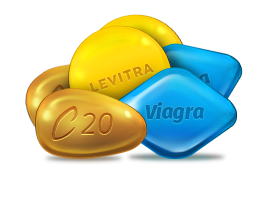
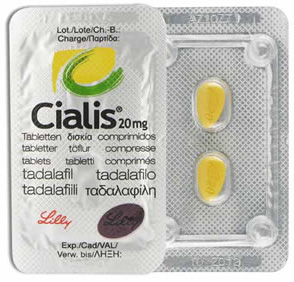
Cialis is a latest medicine for treatment of disturbances of erection at men. Sialis's feature is its high-speed performance (30 minutes) and a long-term effect (up to 36 hours). In this regard you can choose the moment which is most suitable for sexual intercourse, having accepted a drug in advance. It is possible to take Sialis in the morning and to be ready even next day. Active ingredient - Tadalafil, the recommended dosage - 20 mg.
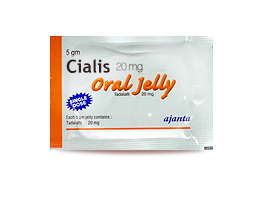
Cialis Oral Jelly (Orange) - a new formula of Cialis which you can have, without washing down with water. Against background of ordinary drug it differs in increased influence speed. It is prescribed for improvement of sexual endurance of men during intimate proximity. It simplifies the excitative process of penis and strengthens erection. Noticeably increases duration of sexual intercourse. Besides, the drug possesses a pleasant orange flavor.
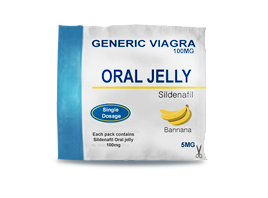
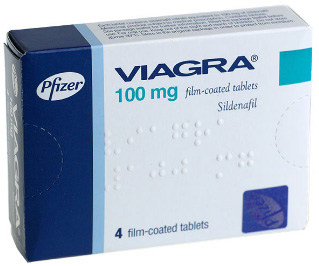
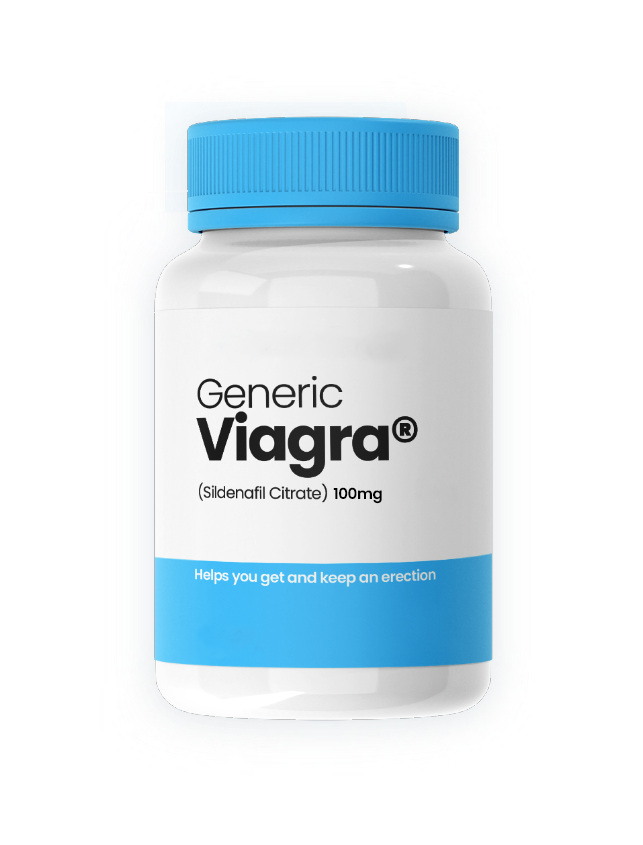
Viagra - Active ingredient - Sildenafil, 100 mg. Effect of "Viagra" is based on significant increase of blood stream to penis. Begins to work in 30 minutes, the effect lasts for 4-5 hours. Most of men can take this generic viagra every day. Millions of men worldwide cannot be mistaken, choosing Viagra!
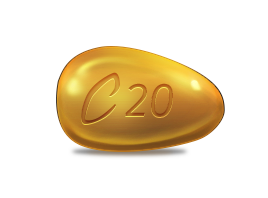
Cialis Super Active is a generic drug, against erectile dysfunction, containing 20 mg of tadalafil. The tablets in this series have a gel inside. This form allows the active substance, Tadalafil, to immediately enter the blood, thus providing an immediate effect. The result from the Cialis Super Active tablets appears after 5 minutes! The action lasts for two days. The drug is safe and has virtually no contraindications.



Zetia contains ezetrol as an active ingredient, which is a selective representative of a new class of lipid-lowering drugs that reduce the absorption of cholesterol in the intestine, including cholesterol from plant fats.

Methocarbamol – a muscle relaxant used to treat muscle spasms and pain. Its action is to block pain nerve impulses sent to the brain. The mechanism of action is not completely clear. The drug has no direct effect on skeletal muscles. It's likely that its effect is associated with sedative properties.

Trecator SC - an anti-TB drug (antituberculous), contains Ethionamide as a basic substance, the drug is prescribed for the treatment of multidrug-resistant type of tuberculosis, with the mycobacterium tuberculosis susceptible to it.

Aggrenox - the combined antiplatelet agent. There are two active ingredients - acetilsalicylic acid and dipiridamol. Action of such combination is caused by different biochemical mechanisms. Aggrenox is prescribed for secondary prevention of ischemic stroke which proceeds as thrombosis. Medicine is also effective for prevention of transitory ischaemic attack.

Olanzapine is an antipsychotic drug (neuroleptic). It is shown in schizophrenia in adults, psychotic disorders, bipolar affective disorder in adults, depressive states.

Combined oral contraceptives block the action of gonadotropins. The first effect of these drugs is aimed to inhibit ovulation. The drug leads to modifications in cervical mucus. Thus, it is strenuous for sperm to pass to the uterine cavity and affect the uterine lining, thereby reducing the possibility of implementation. It helps to prevent pregnancy. Moreover, oral contraceptives prevent pregnancy and have a number of advantages. They have an impact on the cycle of menses and it becomes regular. The amount of blood loss at the time of menstruation is shorter as well as the loss of iron, dysmenorrhea is rare.

Uroxatral - Alfuzosinis an active substance, as an antagonist of the α1 adenogenetic receptor, this drug relaxes the muscles of the prostate and the bladder. Used in the treatment of benign prostatic hyperplasia (BPH). Reduces pressure in the urethra and reduces resistance to urine flow, eases urination and eliminates dysuria.
Coumadin is a drug that promotes blood thinning in the veins. Within a short period of application, anticoagulant reduces viscous blood consistency and lowers the risk of blood clots. The drug is prescribed only after laboratory blood tests when certain symptoms are detected. Independent use of tablets is prohibited, only a doctor may establish the need for taking the drug. Thrombosis is a disease that is characterized by the formation of blood clots. In case of delayed treatment, this disease may cause disorders of oxygen metabolism in the blood and embolism.
It is used for the treatment of spasticity in multiple sclerosis, strokes, TBI, meningitis, spinal diseases (infectious, degenerative, tumor and traumatic genesis), in children's cerebral palsy; alcoholism (affective disorders). Reducing the excitability of the end sections of the afferent sensitive fibers and suppressing the intermediate neurons, inhibits the mono- and polysynaptic transmission of nerve impulses; reduces the preliminary stress of the muscle spindles.
Zanaflex (tizanidine) - the drug with an antispastic effect in increased muscle tone, relieves spasms and clonic convulsions.
Assign with painful muscular spasms associated with static and functional spine lesions (cervical and lumbar syndrome), and after surgery for a herniated disc or osteoarthritis of the thigh, as well as for spasms and pain due to multiple sclerosis, chronic myelopathy, degenerative diseases of the spinal cord brain, stroke, with cramps of central origin.

