









Glycomet is a drug that is also called Biguanide. It’s a hypoglycemic agent that reduces the concentration of glucose in the blood by suppressing gluconeogenesis in the liver, reducing the absorption of glucose from the digestive tract, and increasing its utilization in tissues in patients with diabetes mellitus. The drug reduces the concentration of Thyroglobulin, cholesterol, and LDL (determined on an empty stomach) in the blood serum and does not change the concentration of lipoproteins of other densities. Glycomet stabilizes or reduces body weight. The pills don’t cause hypoglycemic reactions and improve the fibrinolytic properties of the blood.


Glycomet
| Package | pill | Total price | Save | Order |
|---|---|---|---|---|
| 500mg × 120 Pills | $0.20 | $23.62 + Bonus - 7 Pills | - | Add to cart |
| 500mg × 180 Pills | $0.17 | $30.11 + Bonus - 11 Pills | $5.40 | Add to cart |
| 500mg × 270 Pills | $0.15 | $39.86 + Bonus - 11 Pills | $13.50 | Add to cart |
| 500mg × 360 Pills | $0.14 | $49.60 + Bonus - 11 Pills | $21.60 | Add to cart |
Your order will be packed safely and securely and dispatched within 24 hours. This is exactly how your parcel will look like (pictures of a real shipping item). It has the size and the look of a regular private letter (9.4x4.3x0.3 inches or 24x11x0.7cm), and it does not disclose its contents


Product description
Glycomet is a generic powerful medication that is used mostly to control the levels of glucose in patients suffering from diabetes type II.
Usually, a great deal of those who suffer from this disease may significantly decrease the most hazardous risks if they start dieting. In those cases when the alimentary therapeutics proves itself inefficient, it is essential to use the blocking agent present in the drug’s composition to achieve reliable control.
By decreasing the amount of the released sugar, the medicinal product simultaneously lowers your appetite and lowers the cholesterol levels. Thanks to this effect, this pharmaceutical substance is effectively used as an additional component in the insulin therapy of diabetes type I in patients with excess weight.
Safety information
The following illnesses and conditions must be considered a reason to avoid treatment with the medication:
- hypersensitivity to the components of the medication;
- fever;
- renal dysfunction;
- cardiac or respiratory failure;
- pulmonary diseases;
- moderate hepatic impairment;
- severe infectious diseases;
- alcoholism;
- dehydration caused by severe diarrhea or vomiting;
- all conditions associated with hypoxia;
- pregnancy;
- acidosis;
- renal infections.
- The duration of the treatment is determined depending on the severity of the illness, your tolerability, and your body weight.
- The dose of the drug is calculated by the professional therapists for each patient, depending on the level of glucose.
- The starting dose for adults is 500-1.000 mg/day. After 10-15 days, it may be increased based on the statistically correct assumption that the potential for further medical activities requires more intensive therapy.
- In order to reduce the possibility of hazardous outcomes, the daily dose should be divided into two-three less powerful doses.
- The maintenance dose of the drug is usually 1.500-2.000 mg/day. The maximal allowed dose must not exceed 3.000 mg/day.
Side effects
Following the prescription proposed by the primary care doctor will allow you to avoid most of the frequently occurred negative reactions that may be expected when using the medicine. Common negative reactions include nausea, a noticeable lack of appetite, vomiting, diarrhea of different origin, abdominal pain, and headache. These symptoms occur especially at the beginning of treatment and, as a rule, disappear on their own.
Patients over the age of sixty who perform heavy physical work also must avoid taking this medication because its use under these conditions may lead to the development of the lactic acidosis.
Rare negative reactions include rashes, itching, and acute chest pain.
Undesired effects connected with various metabolic disorders include diathesis (requires the immediate discontinuation of the therapy) and hypovitaminosis B12, which usually occurs as the result of the prolonged treatment.
Some of the additional symptoms may develop as a result of the drug’s interaction with alcohol, more precisely moderate muscle pain, prolonged periods of weakness, dizziness, or difficulty sleeping. Stop drinking while using the medication and report to your physician the moment you detect one of these symptoms to avoid dangerous effects.
A semi-synthetic antibiotic from the macrolides group for oral administration. The list of indications includes: infections of the upper and lower respiratory tract (pharyngitis, bronchitis, pneumonia, bacterial infection in COPD, panbronchiolitis, bronchiectasis), respiratory tract (tonsillitis, sinusitis, otitis media), skin and soft tissues (erysipelas, phlegmon, furuncles, folliculitis, impetigo, pyoderma), urinary tract (urethritis, endometritis, cervicitis, vaginitis, including sexually transmitted infections, except gonorrhea), oral cavity (periodontitis), bones (periostitis, chronic osteomyelitis); scarlet fever, diphtheria, whooping cough, trachoma, migratory erythematous rash, brucellosis.
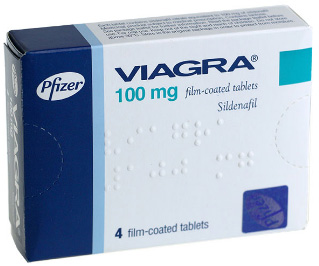
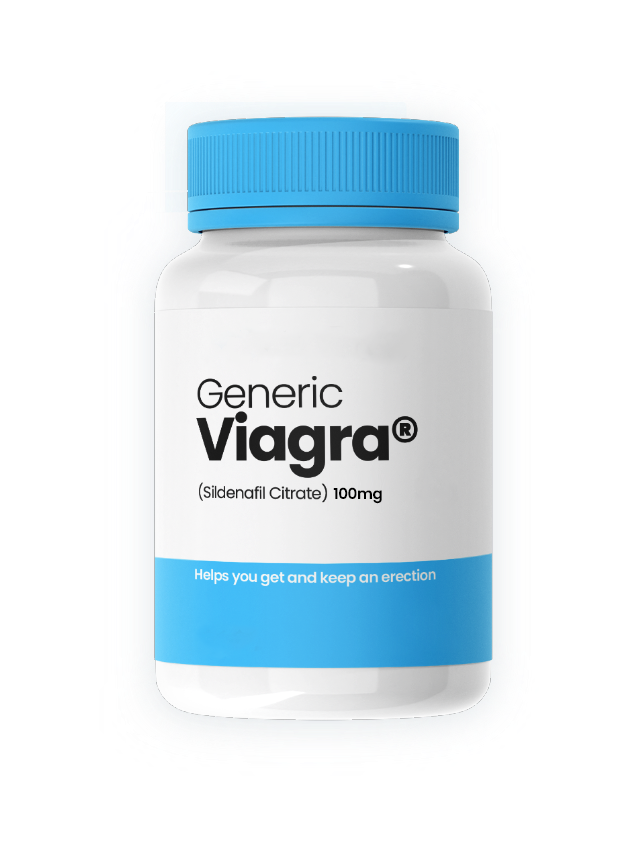
Viagra - Active ingredient - Sildenafil, 100 mg. Effect of "Viagra" is based on significant increase of blood stream to penis. Begins to work in 30 minutes, the effect lasts for 4-5 hours. Most of men can take this generic viagra every day. Millions of men worldwide cannot be mistaken, choosing Viagra!
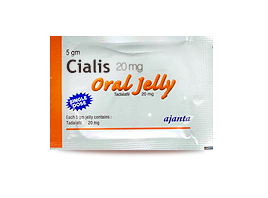
Cialis Oral Jelly (Orange) - a new formula of Cialis which you can have, without washing down with water. Against background of ordinary drug it differs in increased influence speed. It is prescribed for improvement of sexual endurance of men during intimate proximity. It simplifies the excitative process of penis and strengthens erection. Noticeably increases duration of sexual intercourse. Besides, the drug possesses a pleasant orange flavor.
Brand Levitra – a drug from Bayer, with a basic chemical called Vardenafil, is an improved remedy for treating erectile difficulties. Operates approximately within 6-8 hours, so a man may be ready to perform sexually the whole night.

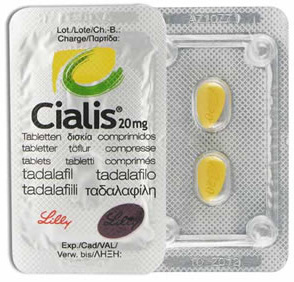
Brand Cialis improves erection and helps to achieve a successful sexual intercourse. It is the original medication, intended for use in adult men, who have problems with achieving and maintaining an erection. The pills start acting in 30 to 60 minutes. You can benefit from their effects for up to 36 hours. Therefore, you can take the pills on Saturday evening and enjoy a wonderful weekend, full of sex and pleasant emotions both for you and your partner. The active substance is Tadalafil.


The oral hypoglycemic agent, derived from sulfonylureas of the II generation. Used in complex therapy with insulin to control the blood glucose levels daily in diabetes of the second type. Has pancreatic and extrapancreatic effects. Stimulates the secretion of insulin by lowering the threshold of pancreas beta cells’ stimulation by glucose, improves insulin sensitivity and the degree of its binding to target cells, increases insulin release, enhances the effect the insulin has on glucose uptake by muscle and liver, inhibits lipolysis in the adipose tissue.

Aciphex - the medicine, normalizing acidity of a stomach, inhibitor of a proton pomp. It is prescribed at gastroduodenal ulcer in the exacerbation phase, gastroesophageal reflux disease; states which are characterized by pathological hyper secretion including Zollinger-Ellison syndrome. In combination with bactericide - Helicobacter pylori eradication at patients with gastric ulcer or chronic gastritis; treatment and prevention of recurrence of an ulcer at patients with gastric ulcer related to Helicobacter pylori.

Finast is indicated for the treatment of benign proliferation of prostate tissue with the purpose of reducing its size and slowing the pathological process. The drug is successfully used to normalize the outflow of urine in case of a benign prostate enlargement and accompanying symptoms of hyperplasia. Finast is recommended for patients with benign enlargement of the prostate for the prevention of complications, urinary retention and the need for surgery. Under the influence of Finast, the level of dihydrotestosterone decreases in the blood and in the tissues of the prostate, but the drug does not affect the androgen receptors.

Colospa - myotropic spasmolytic with selective effect on unstriated muscles of digestive tract. Eliminates a spasm, without influencing a normal peristaltics of intestines. Unlike cholinolytic medicine, Colospa does not affect at muscarinic receptor and does not cause characteristic of antispasmodics with muscarinic receptor action of side effects (feeling of dryness in a mouth, vision disorders, an urination delay) that allows for patients to take it at prostatauxe or glaucoma. Taking of Colospa is not followed by development of reflex hypotonia of intestines.
Peripheral vasodilator with predominant effect on venous vessels. It is used for the prevention of angina in CHF, hypertension in the "small" circulation, "pulmonary" heart (treatment as a part of combination therapy), spasm of peripheral arteries (obliterating endarteritis, angiospastic retinitis)
Mobic is a nonsteroidal anti-inflammatory drug, which has anti-inflammatory, antipyretic, analgesic effect. It belongs to the class of oxicams; derived from the anoliefo acid. Used in symptomatic treatment of osteoarthritis, rheumatoid arthritis, ankylosing spondylitis (Bekhterev's disease) and other inflammatory and degenerative diseases, accompanied by pain syndrome.
Danazol is used in endometriosis (with concomitant infertility), benign neoplasms of the breast (fibrocystic mastopathy), primary menorrhagia, premenstrual syndrome, primary premature puberty, gynecomastia.

